
How AI Decision Making for SMEs Is Changing Business Strategy

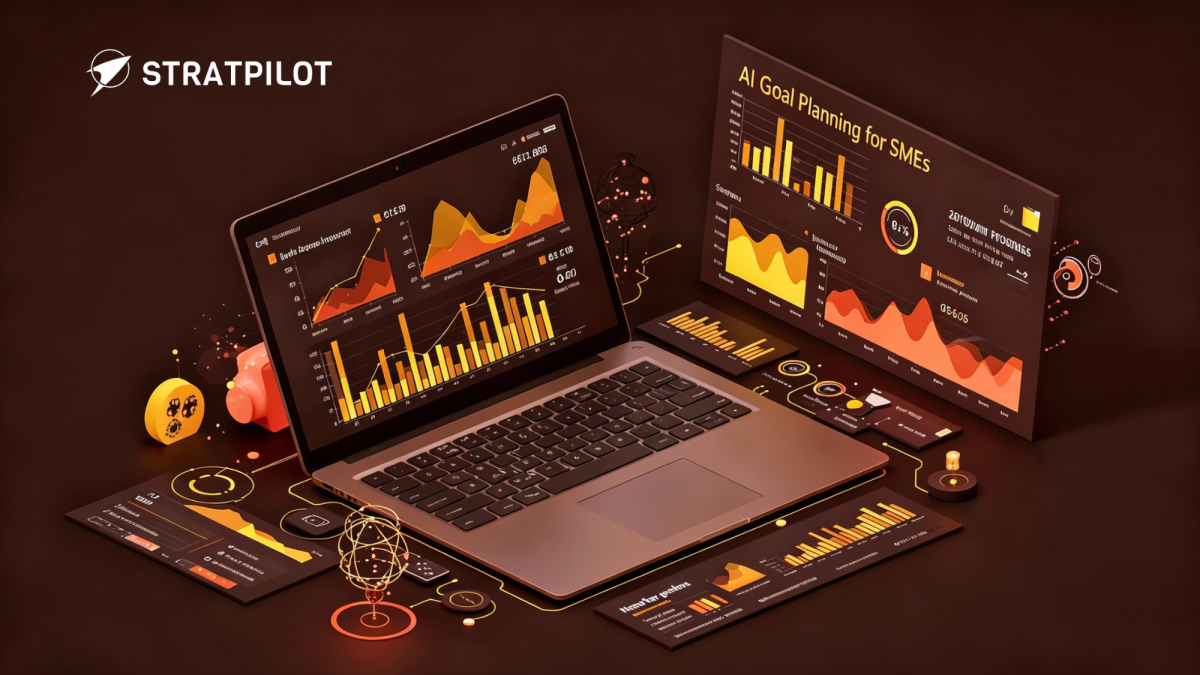
As businesses prepare for a more data-driven future, many leaders are asking how AI decision making for SMEs will evolve in 2026. Strategic decisions are no longer based purely on instinct or experience. Instead, organisations are increasingly relying on intelligent systems to analyse information, identify patterns and guide long-term planning. For small and medium enterprises, this shift presents both an opportunity and a challenge. Understanding how an AI strategy for small businesses fits into daily decision-making is now essential for sustainable growth.


SMEs often operate with limited resources, making every decision more impactful. When used correctly, AI helps reduce uncertainty and improve clarity across planning, prioritisation and execution. This guide explains how SMEs can use AI to strengthen strategic thinking, reduce complexity and prepare confidently for the future.


1. Why strategic decision making is challenging for SMEs today


Strategic decision making has always been difficult for SMEs because leaders juggle multiple responsibilities at once. Market uncertainty, limited data visibility and time constraints make it hard to evaluate options objectively. As competition increases, relying solely on manual processes or fragmented information becomes risky.


AI decision making for SMEs addresses this challenge by supporting leaders with structured insights. Instead of reacting to problems after they occur, businesses gain the ability to anticipate outcomes. As 2026 approaches, organisations that fail to modernise their decision processes risk falling behind more agile competitors.


2. What AI decision making for SMEs actually means


AI decision making for SMEs does not replace leadership judgement. Instead, it enhances it. AI systems analyse operational data, workflow patterns and historical trends to surface meaningful recommendations. This allows leaders to make informed decisions faster and with greater confidence.


A strong AI strategy for small businesses focuses on assisting planning rather than automating authority. The real value lies in turning everyday work data into insights that guide priorities. When SMEs understand how SMEs use AI for strategic planning, they begin to see AI as a thinking partner rather than a technical tool.


3. How SMEs can use AI to simplify strategic planning


Strategic planning often fails when goals are unclear or disconnected from daily work. AI helps SMEs break down complex objectives into manageable actions. By analysing tasks, timelines and outcomes, AI reveals where efforts are aligned and where adjustments are needed.


This approach reduces guesswork and creates structure. Leaders can explore scenarios, compare options and plan with more certainty. As AI decision making for SMEs becomes more common, planning shifts from static documents to living, adaptive processes. This is especially valuable for organisations learning how SMEs use AI for strategic planning in fast-changing markets.


4. How AI improves confidence and speed in decision making


One of the biggest benefits of AI is speed without sacrificing quality. SMEs no longer need to manually compile reports or chase information across tools. AI systems consolidate insights and highlight what matters most.


This enables faster responses to challenges and opportunities. As AI strategy for small businesses matures, leaders gain confidence because decisions are supported by evidence rather than assumptions. Over time, this leads to better execution and reduced decision fatigue.


5. How AI supports long term business growth for SMEs


Growth requires consistent, informed decisions. AI helps SMEs track progress, identify trends and adjust strategies before problems escalate. Instead of reacting to performance issues late, businesses gain early visibility.


AI decision making for SMEs also supports scalability. As operations grow, AI maintains clarity by organising information and guiding priorities. This ensures that strategic direction remains intact even as complexity increases. When businesses understand how SMEs use AI for strategic planning, they create stronger foundations for long term success.

How Stratpilot strengthens strategic thinking for SMEs


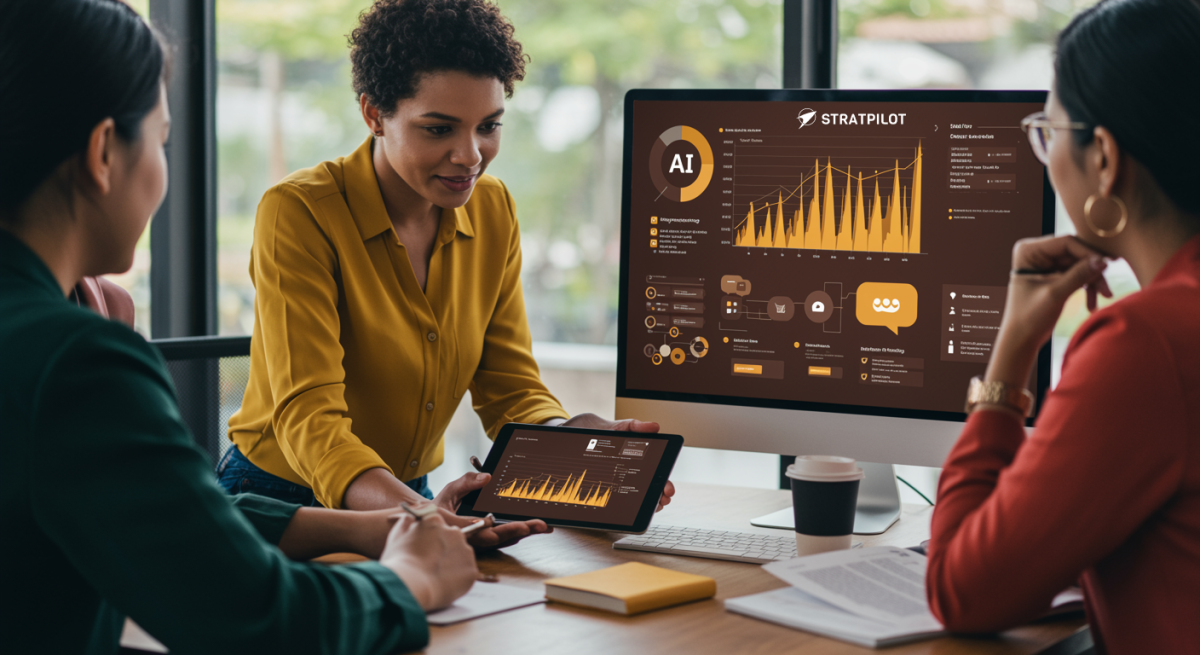
Stratpilot is designed to support SMEs that want clarity without complexity. It acts as an intelligent planning and decision support assistant, helping teams organise tasks, prioritise goals and make sense of daily work. Rather than overwhelming users with data, Stratpilot structures information into actionable insights that support AI decision making for SMEs.

By simplifying planning workflows and improving visibility, Stratpilot helps leaders focus on what truly matters. Its intelligent features align naturally with an effective AI strategy for small businesses, making strategic thinking more accessible and consistent across teams.

If you are curious to see how strategic clarity could change the way your business plans and decides, requesting a demo might reveal opportunities you did not realise were being missed.

Demo

Frequently Asked Questions

What is AI decision making for SMEs

AI decision making for SMEs refers to using intelligent systems to analyse data, support planning and guide business decisions. It helps leaders make informed choices faster and with greater confidence.

How does AI strategy for small businesses differ from large enterprises

SMEs focus on simplicity, usability and quick value. AI strategy for small businesses prioritises decision support and planning rather than complex automation or heavy infrastructure.

Can AI really improve strategic planning for SMEs

Yes. AI helps structure goals, analyse performance and highlight patterns that are difficult to see manually. This leads to clearer plans and better alignment across teams.

How quickly can SMEs see results from AI driven decisions

Many SMEs notice improvements within weeks, especially in planning clarity and prioritisation. Consistent use strengthens long term strategic outcomes.

Is AI difficult for SMEs to adopt

AI adoption is easier when tools are designed for non-technical users. Platforms like Stratpilot focus on practical use, making AI accessible without disrupting existing workflows.

Taskade vs Stratpilot: AI-Powered Productivity Tools for Businesses

In today’s rapidly evolving business environment, organisations are increasingly relying on AI productivity tools to improve efficiency, collaboration, and decision-making. Choosing the right platform can directly influence how teams operate, prioritise tasks, and execute strategies. This is where the comparison between Taskade vs Stratpilot becomes particularly relevant for modern businesses.


Both Taskade and Stratpilot position themselves as AI-powered productivity platforms designed to support teams in managing work more effectively. However, while Taskade focuses on collaborative task management and simplicity, Stratpilot adopts a more strategic approach by embedding AI-driven insights into everyday business workflows. This blog examines Taskade vs Stratpilot in detail, helping businesses determine which solution best aligns with their operational and strategic goals.

Understanding Taskade

Taskade is a productivity and collaboration platform designed to help teams organise tasks, projects, and ideas within a shared workspace. It supports multiple formats, including task lists, boards, and mind maps, enabling teams to structure work in a way that suits their preferences. This flexibility makes Taskade an appealing option for businesses seeking a lightweight solution for task coordination.


In the Taskade vs Stratpilot comparison, Taskade is often recognised for its straightforward design and ease of use. Teams can collaborate in real time, assign tasks, and track progress without extensive onboarding. Taskade also incorporates AI task management features that assist with task generation and content structuring, helping teams save time during planning stages.


Taskade is well-suited for organisations that prioritise simplicity and collaborative task execution, especially where rapid setup and minimal configuration are important.

Stratpilot: AI-Driven Productivity and Decision-Making

Stratpilot represents a more advanced category within AI-powered productivity tools for businesses. Rather than focusing solely on task execution, Stratpilot is designed to support strategic thinking, prioritisation, and operational decision-making through intelligent AI guidance.


When analysing Taskade vs Stratpilot, a key distinction lies in how AI is applied. Stratpilot provides AI-driven decision-making software capabilities that help businesses interpret information, identify priorities, and act with greater confidence. Its pre-configured workspaces allow teams to adopt structured workflows quickly, without sacrificing flexibility or usability.


Stratpilot combines business productivity software with actionable insights, enabling teams to move beyond task completion and focus on outcomes. This approach is particularly valuable for organisations aiming to scale efficiently while maintaining clarity and alignment across teams.

Pros and Capabilities

Taskade’s Capabilities


In the context of Taskade vs Stratpilot, Taskade offers a set of practical capabilities that support everyday productivity. It provides a flexible workspace for organising tasks and ideas, along with basic collaboration features that allow teams to work together in real time. Taskade’s interface is designed for ease of use, making it accessible for teams seeking a simple AI-powered productivity platform without complex setup requirements.


These capabilities make Taskade suitable for teams that want an uncomplicated tool for task coordination and collaborative work management.


Stratpilot’s Capabilities


Stratpilot builds upon similar foundational capabilities while extending them with AI-powered intelligence. In addition to offering a flexible and user-friendly workspace, Stratpilot enhances productivity through intelligent recommendations and strategic guidance. This makes the Taskade vs Stratpilot comparison particularly relevant for businesses seeking deeper value from AI productivity tools.


Stratpilot supports real-time collaboration while simultaneously providing insights that help teams prioritise work more effectively. Its AI-powered productivity platform is designed to reduce manual effort, improve decision quality, and align daily activities with broader business objectives. This combination of usability and intelligence positions Stratpilot as a strong Taskade alternative for business teams seeking long-term efficiency and growth.

Taskade vs Stratpilot: Feature Comparison for Business Teams

To provide a clearer overview of how both platforms compare in a business context, the table below summarises the key differences between Taskade and Stratpilot.


Capability AreaTaskadeStratpilot
Core FocusTask organisation and team collaborationAI-driven productivity and strategic decision-making
Workspace FlexibilitySupports lists, boards, and mind mapsFlexible workspaces enhanced with AI-powered insights
Ease of UseDesigned for quick setup and simple usageUser-friendly with pre-configured, business-ready workspaces
AI CapabilitiesAssists with task creation and structuringProvides AI-driven recommendations and intelligent guidance
Decision SupportLimited to task-level assistanceStrong focus on AI-driven decision-making software
Team CollaborationReal-time collaboration and task sharingReal-time collaboration combined with strategic insights
Business ScalabilitySuitable for small to mid-sized teamsDesigned to scale across growing and complex organisations
Strategic ValueSupports execution and coordinationAligns daily work with broader business objectives

Why AI-Powered Productivity Matters Today

As businesses navigate increasing complexity and competitive pressure, relying solely on traditional team collaboration tools can limit efficiency and responsiveness. AI-powered productivity tools for businesses play a critical role in helping organisations analyse information, optimise workflows, and make informed decisions in real time.


Within the Taskade vs Stratpilot discussion, this distinction becomes clear. While both platforms support collaboration, Stratpilot places greater emphasis on using AI to guide decisions and improve outcomes. By embedding intelligence into everyday workflows, businesses can move faster, reduce errors, and respond proactively to change.

Challenges Without Advanced AI Solutions

Organisations that lack AI-driven productivity tools often face challenges such as fragmented workflows, delayed decision-making, and increased reliance on manual processes. Without AI-powered insights, teams may struggle to identify priorities or respond effectively to emerging risks and opportunities.


In the Taskade vs Stratpilot comparison, Stratpilot addresses these challenges by integrating AI task management with strategic guidance. This ensures teams are not only completing tasks but also understanding which actions will deliver the greatest impact.

Addressing Business Needs with Stratpilot


Stratpilot is designed to help businesses operate with clarity, efficiency, and confidence. By combining team collaboration tools with AI-driven decision-making software, Stratpilot enables organisations to streamline operations and align efforts across teams.

As a Taskade alternative for business teams, Stratpilot offers a more holistic approach to productivity. Its AI-powered productivity platform supports informed decision-making, reduces operational friction, and helps businesses remain agile in a changing market. For organisations seeking more than task management, Stratpilot provides a structured yet flexible solution that evolves with their needs.

Conclusion


When evaluating Taskade vs Stratpilot, the right choice depends on business priorities. Taskade offers a straightforward, collaborative environment for managing tasks and projects. Stratpilot, on the other hand, extends productivity by embedding AI-driven insights that support smarter decisions and long-term growth.

For businesses looking to leverage AI productivity tools not just for execution but for strategy and efficiency, Stratpilot delivers a compelling, future-ready solution.

Ready to enhance your productivity with intelligent AI support? Explore how Stratpilot can help your organisation work smarter, make better decisions, and achieve sustainable growth.

Request a demo today.

Demo

Frequently Asked Questions (FAQs)

How does Stratpilot differ from Taskade?

In the Taskade vs Stratpilot comparison, Stratpilot stands out by offering AI-driven insights and strategic guidance, helping businesses make informed decisions beyond task management.

Is Stratpilot suitable for businesses of all sizes?

Yes. Stratpilot is designed to scale and supports startups, growing businesses, and enterprises seeking AI-powered productivity tools for businesses.

Can Stratpilot replace traditional team collaboration tools?

Stratpilot complements and enhances collaboration by integrating AI task management with intelligent guidance, reducing reliance on multiple disconnected tools.

Why are AI-powered productivity platforms important today?

AI-powered productivity platforms help businesses improve efficiency, reduce manual effort, and enable data-informed decision-making in an increasingly competitive environment.

AI for Team Communication to Help SMEs Reduce Email Overload

As SMEs move through 2026, teams are becoming increasingly overwhelmed by constant email threads, scattered updates and slow response loops. Many organisations are now adopting AI for team communication to replace outdated manual processes and give employees a faster and clearer way to collaborate. With powerful AI tools for SMEs evolving rapidly, companies can finally reduce inbox clutter, streamline daily workflows and keep projects moving without unnecessary delays.

Why SMEs Face Email Overload Today

Email was originally created as a basic communication method but for many SMEs it has turned into one of the biggest workflow problems. Teams often depend on endless email chains for updates, approvals, files, tasks and decisions. This results in missed messages, slow approvals, confusion across departments, duplicated work and poor visibility of priorities. As a result, more organisations are shifting toward AI for team communication to simplify collaboration using structured workflows and automated clarity. AI tools for SMEs help teams eliminate inbox noise by delivering faster updates and better organisation.

How AI for Team Communication Solves Email Overload

1. Centralising Conversations Into One Workspace


Instead of jumping between multiple email threads, AI for team communication collects all conversations within one shared workspace. Teams can easily track messages by topic rather than by time. This eliminates lost updates and reduces inbox noise. AI tools for SMEs add intelligent categorisation that makes it simple to locate decisions, tasks and documents instantly.


2. Automatically Summarising Long Email Threads


AI for team communication can summarise any long email chain within seconds. Teams no longer need to scroll through dozens of messages to identify conclusions. AI summarisation highlights key actions, responsibilities, deadlines and pending approvals. AI tools for SMEs include built in summarisation so teams save hours each week and reduce the risk of missing critical information.


3. Turning Conversations Into Tasks Automatically


Emails often become conversations without clear owners. With AI for team communication, messages that include action phrasing are automatically transformed into tasks assigned to the right person. This ensures nothing is forgotten, responsibilities stay visible and progress becomes easy to track. Modern AI tools for SMEs can detect phrases like please update or can you complete this and convert them into organised tasks.


4. Intelligent Notifications That Reduce Clutter


Instead of generating notification overload, AI for team communication sends alerts only when they are necessary. Notifications become priority based and contextual so teams avoid daily interruptions. AI tools for SMEs learn user habits and deliver fewer but more meaningful updates which helps teams stay focused.


5. AI Assisted Document Sharing and Version Control


Sharing documents through email leads to confusion, duplication and lost versions. With AI for team communication, files are stored in one central location with automatic versioning, smart tagging, access history and instant retrieval. This level of clarity makes AI tools for SMEs essential for operational teams, project teams and administrative staff.


6. Automated Meeting Notes and Action Lists


Meetings often lead to more emails to share summaries and tasks. AI for team communication generates meeting notes, action lists, assigned responsibilities and timelines automatically. This allows teams to move directly from discussion to execution. These collaboration features continue to evolve across leading AI tools for SMEs.


7. Chat Based Workflows Instead of Email Threads


Many SMEs are shifting from email toward real time chat supported by AI. AI powered chat tools can suggest replies, detect urgency, summarise conversations, highlight blockers and recommend next steps. This accelerates collaboration significantly. When combined with AI tools for SMEs, chat based workflows remove communication delays and improve internal alignment.

Why AI for Team Communication Matters for SME Productivity

The average SME employee spends more than two hours each day reading and replying to email. AI for team communication reduces this dramatically by improving clarity, reducing repetitive tasks and cutting unnecessary back and forth exchanges. This leads to faster decisions, better accountability, improved morale and stronger team culture. AI tools for SMEs also ensure that fewer tasks fall through the cracks and that teams work in a more structured and organised environment.

StrengtheninSME Communication Workflows with Stratpilot


Stratpilot provides an AI powered workspace designed specifically for SMEs that want to reduce email overload and strengthen collaboration. Instead of relying on scattered emails, Stratpilot centralises ideas, tasks, teams, documents and planning into one structured platform. With Stratpilot, SMEs can create organised team spaces, turn updates into tasks instantly, use AI for team communication to manage workflows, generate meeting summaries, reduce clutter with smarter alerts and improve team alignment. Stratpilot supports strategic clarity by helping teams think, plan and execute more effectively. It acts as a clarity engine rather than just another tool.

Request a demo today and see how fast your team’s communication can transform.

Demo

Frequently Asked Questions

How does AI for team communication reduce email overload

AI summarises conversations, centralises information and highlights important updates which reduces the need for extended email threads.

Are AI tools for SMEs difficult to adopt
  1. Most AI tools for SMEs are designed with simple interfaces, automation features and organised workspaces that teams can begin using immediately.
Can AI replace email entirely

Not fully but AI for team communication reduces reliance on email by providing structured task management and centralised information.

Will AI help small teams as much as large organisations

AI tools for SMEs are specifically created to support small teams that have limited time, budget and operational capacity.

How is Stratpilot different from other communication tools

Stratpilot provides structured thinking, AI assisted planning and an organised workspace that improves clarity, reduces confusion and strengthens team communication.

The role of AI in Corporate Training | The 2026 Guide

As we enter 2026, the corporate world is witnessing a major transformation in how employees learn, adapt, and grow within organisations. Traditional training programs, once reliant on static modules and one-size-fits-all content, are being replaced by more intelligent, data-driven approaches powered by AI in Corporate Training. Companies are now using artificial intelligence to personalise learning, assess skill gaps, and enhance overall workforce productivity. This evolution isn’t just about digitising corporate education, it’s about reimagining it through intelligent automation, predictive insights, and adaptive learning.

What is AI in Corporate Training?


AI in Corporate Training refers to the integration of artificial intelligence technologies into employee learning and development processes. It involves leveraging machine learning, natural language processing (NLP), and data analytics to tailor training experiences, evaluate learner performance, and predict future training needs.


Instead of offering generic e-learning courses, AI-driven platforms can identify each employee’s strengths, weaknesses, and learning styles, delivering customised content accordingly. From onboarding to leadership development, AI ensures that every learning experience is optimised for engagement, retention, and business outcomes.


AI in Corporate Training also enables organisations to automate content recommendations, analyse real-time feedback, and create training paths that align with company objectives. The result is a smarter, more efficient, and outcome-focused training ecosystem.

The Role of AI in Corporate Training


1. Personalised Learning Experiences


AI algorithms assess employee performance, skill levels, and learning preferences to deliver tailored learning paths. Instead of generic courses, employees receive recommendations that directly address their unique skill gaps, resulting in faster learning and improved retention.


2. Intelligent Performance Analysis


AI-powered analytics tools evaluate learner engagement and success rates in real time. By analysing participation data and assessment outcomes, organisations gain actionable insights into which training modules are effective and where improvement is needed.


3. Adaptive Learning Platforms


AI in Corporate Training brings adaptive learning environments that adjust content difficulty based on learner performance. If an employee struggles with a particular concept, AI automatically provides additional resources and simpler explanations to reinforce understanding.


4. Predictive Skill Development


Predictive analytics play a vital role in forecasting future skill needs. AI systems analyse industry trends, internal performance data, and job role changes to suggest upcoming training programs, ensuring employees remain future-ready.


5. Virtual Mentorship and AI Assistants


AI-driven virtual mentors, similar to intelligent chatbots, support learners by answering queries, providing feedback, and suggesting next steps. This real-time guidance replicates the benefits of one-on-one mentorship at scale, improving employee confidence and engagement.


6. Enhanced Knowledge Retention


By using spaced repetition and microlearning techniques, AI in Corporate Training ensures information is reinforced at the right intervals. This approach boosts long-term memory retention and minimises the loss of valuable knowledge after training sessions.

The 2026 Guide: Implementing AI in Corporate Training


Step 1: Assess Current Training Infrastructure


Before adopting AI, organisations must evaluate their existing learning management systems (LMS) and identify gaps in personalisation, analytics, and scalability.


Step 2: Define Clear Learning Objectives


AI systems work best when they’re aligned with measurable goals such as skill enhancement, productivity gains, or leadership development. Setting clear KPIs ensures a focused training strategy.


Step 3: Integrate AI-Powered Learning Tools


Implement AI solutions that can analyse learner data, recommend courses, and generate insights. Integration with existing HR systems ensures seamless tracking of progress and outcomes.


Step 4: Monitor and Optimise Continuously


AI thrives on data. Regularly analyse insights from training outcomes to refine content, update modules, and maintain relevance as the business evolves.


Step 5: Encourage a Culture of Continuous Learning


AI in Corporate Training supports lifelong learning. Encouraging employees to embrace adaptive learning platforms ensures continuous growth and long-term engagement.

Challenges Companies Face Without AI in Corporate Training


Organisations that fail to integrate AI into corporate training risk lagging behind their competitors in workforce agility and innovation. Without AI, companies often face:


1. Generic Learning Experiences: Traditional methods lack personalisation, leading to low engagement and poor knowledge retention.


2. Inefficient Skill Assessments: Manual performance tracking fails to identify skill gaps or learning trends accurately.


3. Limited Scalability: Human-led training cannot efficiently adapt to large or diverse teams across multiple departments or regions.


4. Reactive, Not Predictive, Strategies: Without predictive insights, businesses struggle to prepare their workforce for emerging challenges and evolving roles.


By neglecting AI integration, organisations miss out on critical insights that could drive talent optimisation and strategic decision-making.

How Stratpilot Can Revolutionise Corporate Training


Stratpilot stands out as an AI-driven productivity and learning companion designed to empower teams and enhance decision-making across industries. In the context of corporate training, Stratpilot helps businesses adopt AI capabilities effortlessly by offering pre-designed, intelligent templates that simplify training workflows.


With its intelligent guidance system, Stratpilot enables HR and training leaders to identify skill gaps, track employee progress, and receive actionable insights to optimise learning outcomes. Unlike traditional platforms that require extensive customisation, Stratpilot’s AI-driven features ensure ease of use, adaptability, and scalability.


By leveraging Stratpilot, organisations can foster smarter learning environments, ensure data-backed decisions, and empower employees to reach their potential faster. It’s not just about training, it’s about transforming how teams learn, grow, and perform in 2026 and beyond.


Request a demo for Stratpilot today


Experience how Stratpilot can redefine your organisation’s approach to corporate training and workforce development. Request a demo today and see how AI-driven insights can make your learning initiatives more impactful, efficient, and future-ready.

Frequently Asked Questions (FAQs)


Q1: How can AI improve employee learning experiences in corporate training?


AI personalises training by analysing employee data to deliver customised learning paths. It identifies strengths, weaknesses, and learning preferences to enhance engagement and retention.


Q2: Is AI in Corporate Training suitable for small and medium-sized enterprises?


Yes. AI-powered training tools can be scaled to fit the needs of businesses of any size, making them ideal for SMEs that aim to maximise learning outcomes without heavy infrastructure costs.


Q3: What makes AI-driven corporate training more effective than traditional methods?


AI-driven training continuously adapts content, provides instant feedback, and uses predictive analytics to align learning with business objectives, something traditional models cannot achieve at scale.


Q4: How does Stratpilot enhance corporate training outcomes?


Stratpilot offers pre-designed AI-powered solutions that help organisations identify skill gaps, streamline training workflows, and make data-driven decisions to improve performance.

10 Best AI Prompts for Customer Retention

For small and medium-sized enterprises (SMEs), retaining customers is just as critical as acquiring new ones. Loyal customers not only bring repeat business but also act as brand advocates, helping you grow sustainably. However, developing strategies for customer retention can be challenging without the right structure. This is where AI prompts for customer retention can provide clarity, guiding SMEs in setting actionable goals and aligning team efforts.


In this blog, we’ll explore 10 essential AI prompts SMEs can use to strengthen customer retention strategies, complete with templates, example outputs, and insights on why they’re useful.


Why Use AI for Goal Setting in Customer Retention?


Customer loyalty depends on consistent experiences, trust, and personalisation. SMEs often face resource constraints, making it difficult to create tailored strategies. AI prompts help by:


1. Turning customer retention goals into clear, achievable actions.


2. Highlighting areas for service improvement.


3. Assisting teams in aligning efforts across sales, support, and marketing.


4. Providing structured ways to analyse customer data and feedback.


With AI prompts, SMEs can move from guesswork to structured planning, maximising retention with minimal wasted effort.


Top 10 AI Prompts for Customer Retention with Templates and Example Outputs


1. Identify At-Risk Customers


Prompt Template: “List customers who are most likely to stop using our product/service and why.”


Example Output: Customers with no logins in the last 30 days and unresolved support tickets are at high churn risk.


Why Useful: Helps teams focus retention efforts where they matter most.


2. Personalised Retention Strategies


Prompt Template: “Generate personalised strategies to retain customers in [industry/product type].”


Example Output: Offer discounts to long-term clients, create loyalty programs for frequent buyers, and provide free training resources for new customers.


Why Useful: Creates engagement strategies tailored to customer segments.


3. Customer Feedback Analysis


Prompt Template: “Summarise the top 5 issues from customer feedback in the last quarter and suggest improvements.”


Example Output: Key issues: delayed support responses, product usability concerns. Suggested improvements: faster ticket resolution and a revamped user interface.


Why Useful: Turns feedback into actionable business improvements.


4. Improving Onboarding Experience


Prompt Template: “Suggest improvements to onboarding for new customers in [company/service].”


Example Output: Provide step-by-step tutorials, assign onboarding specialists, and create milestone-based rewards.


Why Useful? Smooth onboarding increases customer lifetime value.


5. Loyalty Program Ideas


Prompt Template: “Generate loyalty program concepts for SMEs in [industry].”


Example Output: Tiered rewards for repeat purchases, referral bonuses, and exclusive early access to new features.


Why Useful: Encourages repeat business through structured rewards.

AI Prompts for Customer Retention6. Proactive Support Initiatives


Prompt Template: “Suggest proactive support methods to prevent customer churn.”


Example Output: Automated check-ins, periodic surveys, and early warning systems for inactivity.


Why Useful? Anticipates problems before they escalate.


7. Upsell and Cross-Sell Retention Tactics


Prompt Template: “Create upselling strategies that also improve customer retention.”


Example Output: Bundle add-ons at discounted rates and recommend complementary products to increase perceived value.


Why Useful: Builds deeper relationships while driving revenue.


8. Customer Engagement Calendar


Prompt Template: “Design a 6-month engagement calendar for customer retention.”


Example Output: Month 1: Onboarding emails, Month 2: Educational webinar, Month 3: Feedback survey, Month 4: Loyalty rewards launch, Month 5: Case study showcase, Month 6: Appreciation event.


Why Useful: Keeps customer relationships active and consistent.


9. Renewal Reminder Strategy


Prompt Template: “Generate a renewal reminder campaign for subscription-based customers.”


Example Output: Email reminders 30, 15, and 7 days before expiry, with personalised offers for long-term renewals.


Why Useful: Reduces subscription churn.


10. Advocacy and Referral Campaigns


Prompt Template: “Suggest a customer advocacy program that promotes referrals.”


Example Output: Create a ‘Refer a Friend’ program with rewards for both parties and highlight customer success stories in newsletters.


Why Useful: Converts satisfied customers into brand advocates.

AI Prompts for Customer RetentionHow Stratpilot Can Strengthen Customer Retention Strategies


Customer retention requires structured planning and consistent execution. Stratpilot empowers SMEs to simplify this process with its AI-driven features. It provides customizable workspaces where teams can set retention goals, organise strategies, and collaborate effectively. With predefined AI prompt templates, businesses can quickly generate ideas for loyalty programs, onboarding improvements, and feedback analysis. Stratpilot’s integrated AI companion helps streamline customer-focused initiatives, ensuring SMEs stay aligned in their retention efforts.


By offering a centralised platform for goal setting and execution, Stratpilot enables SMEs to turn retention strategies into measurable results.


Take Action to Retain More Customers


Retaining customers is the key to long-term growth for SMEs. By using AI prompts, you can build structured retention strategies that boost loyalty and strengthen customer trust.


Book a demo for Stratpilot Today and give your team the features to plan, execute, and scale customer retention initiatives effectively.


Frequently Asked Questions (FAQs)


Q1: Why should SMEs focus on customer retention?


Customer retention reduces acquisition costs, increases profitability, and builds long-term stability for SMEs.


Q2: How do AI prompts help in customer retention strategies?


They simplify planning by turning retention challenges into actionable strategies, such as onboarding improvements, loyalty programs, and renewal reminders.


Q3: Can these AI prompts be adapted to my industry?


Yes, the prompts can be customised for any industry, from retail to SaaS, ensuring strategies are contextually relevant.


Q4: How is Stratpilot relevant to customer retention planning?


Stratpilot provides AI-driven workspaces and predefined prompt templates that SMEs can use to create and organise retention strategies, making planning and execution more efficient.

The Use of AI in Financial Reporting for Corporations

In today’s fast-paced corporate environment, accuracy, compliance, and timeliness are critical in financial reporting. Traditional methods, though effective to an extent, are often bogged down by manual processes, human error, and slow data aggregation. As financial regulations evolve and data volumes increase, businesses are embracing AI in Financial Reporting to streamline their financial processes, improve decision-making, and reduce risk.


This blog explores what AI in Financial Reporting entails, its various applications, challenges businesses face without it, and how Stratpilot can offer strategic support for smarter financial management. 


What is AI in Financial Reporting? 

AI in Financial Reporting refers to the use of artificial intelligence technologies to automate, enhance, and analyse financial data and reporting processes. By leveraging machine learning algorithms, natural language processing (NLP), and data analytics, corporations can generate reports faster, ensure higher accuracy, identify anomalies, and meet compliance standards with ease.


AI learns from historical data, identifies patterns, predicts outcomes, and provides insights that support strategic financial decisions. For corporations managing vast financial portfolios or operating across global markets, AI adds agility, transparency, and control to financial operations. 


Uses of AI in Financial Reporting

1. Automated Data Entry and Processing

AI systems can extract, sort, and input large volumes of financial data from multiple sources with high accuracy. This eliminates manual data entry errors and frees up finance teams for more strategic work.


2. Real-Time Financial Analysis

AI tools continuously analyse financial transactions and provide real-time insights into profitability, cash flow, and expenditure trends. This supports faster and more informed decision-making.


3. Anomaly Detection and Fraud Prevention

Machine learning models can flag unusual transactions or discrepancies that may indicate fraud or errors. By spotting anomalies early, businesses reduce the risk of financial loss and ensure regulatory compliance.


4. Forecasting and Budgeting

Using historical data, AI can create predictive models to assist in budgeting and forecasting. It helps CFOs and finance teams anticipate future financial trends and adjust strategies accordingly.

AI in Financial Reporting

5. Regulatory Compliance and Audit Support

AI helps ensure that financial statements are aligned with the latest regulations and standards (like IFRS or GAAP). It also automates audit trails and document classification, making audits more transparent and less time-consuming.


6. Natural Language Processing for Narrative Reports

AI can generate narrative reports that explain financial performance in plain language. This helps stakeholders, especially non-financial executives, understand financial outcomes more easily.


7. Tax Calculation and Filing

AI-driven platforms simplify tax calculation, track changes in tax laws, and ensure accurate filing. This reduces the risk of non-compliance and associated penalties.


8. Financial Consolidation Across Entities

For multinational corporations, AI helps consolidate financial reports across different subsidiaries, currencies, and reporting standards with minimal manual input. 

AI in Financial Reporting

Risks of Not Using AI in Financial Reporting


1. Human Error and Inconsistencies

Manual data entry and spreadsheet-based processes are prone to mistakes. A small oversight can result in significant discrepancies or compliance violations.


2. Time-Consuming Reporting Cycles

Without AI, financial teams may spend weeks preparing quarterly or annual reports. This delays decision-making and reduces responsiveness to market changes.


3. Limited Visibility and Insight

Traditional reporting methods often focus on historical data, offering little foresight into future trends. Without AI-driven forecasting, strategic planning becomes more reactive than proactive.


4. Increased Risk of Non-Compliance

As financial regulations evolve, it becomes harder for teams to keep up. Lack of automation can result in misalignment with reporting standards and increased audit risks.


5. Higher Operational Costs

Corporations must invest in larger teams and extended working hours to meet reporting deadlines. This inflates operational costs without necessarily improving output quality. 


How Stratpilot Supports AI-Driven Financial Reporting 

Stratpilot is a next-generation AI assistant designed to enhance productivity and intelligence across business operations, including financial management. With powerful AI templates, pre-trained workflows, and data analysis capabilities, Stratpilot helps corporations adopt AI in Financial Reporting without complex integrations or extensive setup.


Whether you’re handling month-end closures, creating audit trails, or generating financial performance summaries, Stratpilot delivers actionable insights. It also supports financial forecasting with contextual recommendations tailored to your data trends, empowering CFOs to make informed strategic decisions.


Stratpilot doesn’t just digitise your financial reporting; it transforms it into a strategic advantage. With its intuitive interface and scalable features, finance teams can focus on value-added work while ensuring accuracy, transparency, and compliance.


Ready to modernise your financial operations and drive efficiency with AI? Book a demo for Stratpilot today and explore how intelligent tools can elevate your financial reporting processes. Stratpilot provides everything you need to build a future-proof finance strategy, faster, smarter, and with confidence. 


Frequently Asked Questions (FAQs)


Q1: How can AI improve financial forecasting accuracy? 

AI uses historical data and real-time trends to create dynamic predictive models. These models adapt to new inputs, resulting in more accurate forecasting and budgeting compared to static spreadsheets.


Q2: Is AI in financial reporting suitable for mid-sized companies? 

Yes. AI tools like Stratpilot are built to scale. Whether you’re a growing business or a large corporation, AI can enhance financial transparency. 


Q3: How does AI help in audit preparation? 

AI can maintain detailed audit trails. This reduces the preparation time and ensures you meet compliance standards.


Q4: What kind of data security does Stratpilot offer for financial data? 

Stratpilot uses enterprise-grade encryption, secure data access controls, and compliance-focused architecture to protect sensitive financial information at every level.


Q5: Can Stratpilot be integrated with existing ERP or accounting systems? 

While Stratpilot works independently, its flexible APIs and export capabilities allow it to complement your current ERP or accounting platforms for seamless data handling. 

AI in Business Process Management

As technology rapidly evolves, businesses are finding new ways to improve their operations and gain competitive advantages. One of the most transformative developments is the integration of artificial intelligence (AI) into Business Process Management (BPM). AI in Business Process Management is reshaping how companies automate tasks, analyse data, and make decisions. By leveraging AI, organisations can enhance efficiency, reduce errors, and unlock new growth opportunities. This blog explores what AI in Business Process Management means, its uses, benefits, and why it’s essential for businesses aiming to thrive in today’s fast-paced environment.


                                                                                                             By – Vamsi Bumireddy (CTO)

What is AI in Business Process Management?

AI in Business Process Management refers to the use of artificial intelligence technologies, such as machine learning, natural language processing, and predictive analytics, to optimise and automate business processes. Traditionally, BPM focused on designing, modelling, executing, monitoring, and optimising business workflows. With AI, these processes become smarter, more agile, and more capable of adapting to changing business environments.


Instead of relying solely on static rules and human intervention, AI introduces dynamic decision-making, self-learning capabilities, and intelligent process automation. This not only speeds up operations but also makes them more accurate and scalable. Companies can use AI to identify inefficiencies, predict outcomes, and continuously improve their workflows based on real-time insights.

Uses of AI in Business Process Management

The integration of AI in Business Process Management offers a variety of applications that can transform everyday operations. Here are some of the major uses:


1. Automated Workflow Management


AI can automate repetitive and time-consuming tasks, such as data entry, invoice processing, and customer onboarding. This frees up human workers to focus on more strategic activities and reduces the risk of errors.


2. Predictive Analytics for Process Improvement


By analysing historical and real-time data, AI can predict process bottlenecks, identify potential failures, and recommend proactive actions. This allows businesses to address issues before they impact performance.


3. Enhanced Decision-Making


AI-driven systems can analyse large datasets quickly, providing decision-makers with actionable insights. For example, AI can help managers determine the best allocation of resources based on current project demands and future projections.


4. Intelligent Process Monitoring


AI can monitor ongoing processes in real-time, detecting deviations from expected performance and automatically triggering corrective actions. This leads to more resilient and adaptive business operations.


5. Natural Language Processing (NLP) in Communication Workflows


AI-powered chatbots and virtual assistants, driven by NLP, can handle customer queries, internal support tickets, and other communications efficiently, improving response times and service quality.


6. Document and Knowledge Management


AI can categorize, store, and retrieve documents intelligently, making knowledge management systems smarter and easier to navigate for employees.

AI in Business Process ManagementBenefits of AI in Business Process Management

Embracing AI in Business Process Management delivers significant benefits across the organisation:


1. Increased Efficiency and Productivity


Automation powered by AI eliminates manual errors and speeds up process execution, leading to higher productivity across departments.


2. Cost Reduction


By optimizing workflows and reducing the need for manual labor in routine tasks, businesses can cut operational costs significantly.


3. Improved Accuracy and Quality


AI reduces human error and ensures greater consistency in processes, leading to higher quality outcomes and enhanced customer satisfaction.


4. Enhanced Agility and Adaptability


AI enables businesses to adapt processes quickly in response to market changes, customer demands, or internal requirements.


5. Data-Driven Insights


Businesses can leverage AI’s analytical capabilities to uncover trends, forecast future demands, and make smarter strategic decisions.


6. Better Employee Experience


Automating mundane tasks frees employees to focus on creative, high-value activities, leading to higher job satisfaction and lower turnover rates.

AI in Business Process ManagementRisks of Not Using AI in Business Process Management
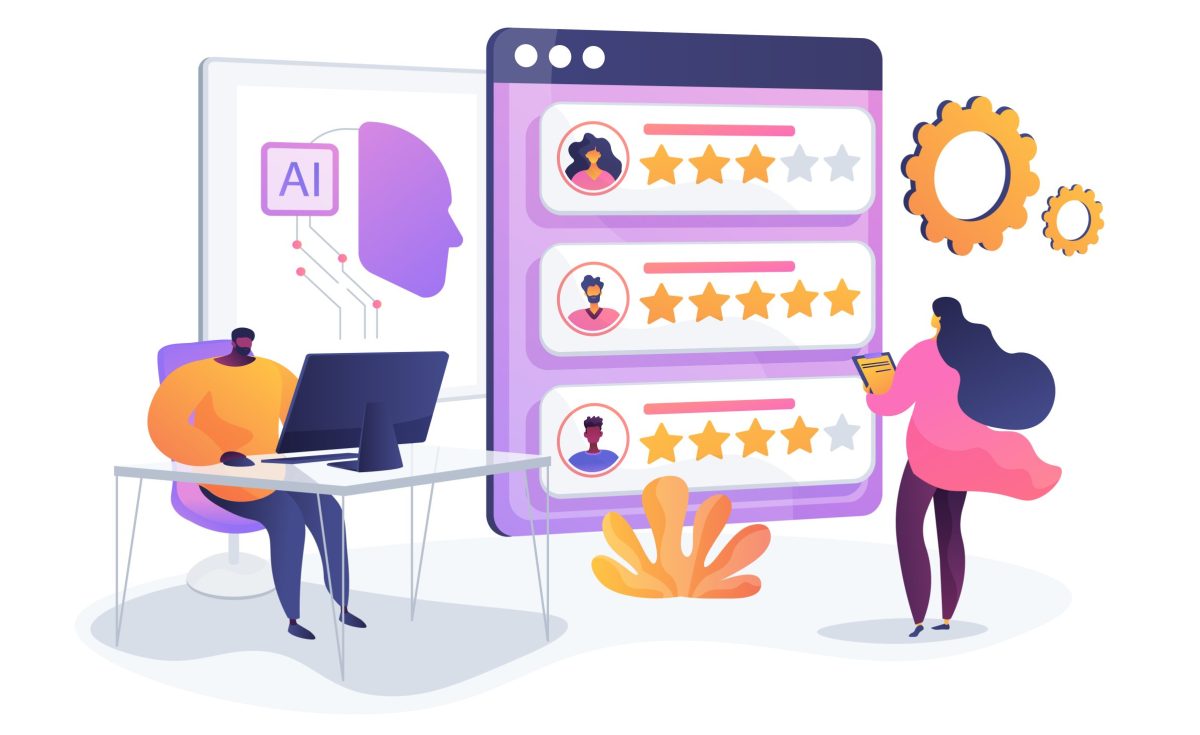
Ignoring the adoption of AI in Business Process Management can expose businesses to several risks:


1. Operational Inefficiencies


Manual workflows are prone to delays, errors, and redundancies, leading to wasted resources and decreased productivity.


2. Poor Decision-Making


Without AI-driven insights, businesses rely on outdated or incomplete information, resulting in suboptimal decisions.


3. Inability to Scale Operations


As businesses grow, manual processes become bottlenecks that limit scalability and responsiveness to market demands.


4. Higher Operational Costs


Without automation, labor costs rise, and operational inefficiencies persist, eroding profit margins over time.


5. Competitive Disadvantage


Companies that fail to adopt AI will struggle to keep up with competitors who use AI to enhance agility, optimise processes, and deliver superior customer experiences.

How Stratpilot Transforms Business Process Management

Stratpilot is designed to enhance how businesses manage their operations by introducing intelligent support into their workflows. With Stratpilot, organisations can better oversee their processes, identify inefficiencies, and make smarter, faster decisions. Stratpilot acts as a strategic companion that provides real-time insights, suggests improvements based on data analysis, and offers structured templates to help teams maintain consistency and clarity in their workflows.


By integrating Stratpilot, businesses gain access to an AI-driven assistant that helps them prioritise tasks, monitor progress, and uncover hidden opportunities for process enhancement. Teams can use Stratpilot’s workspace features to organise projects more effectively, while the AI companion offers guidance on improving performance without the need for disruptive changes to existing systems. This approach allows businesses to evolve their processes intelligently, staying agile and competitive without sacrificing control or personal oversight.


Ultimately, Stratpilot supports businesses in achieving better efficiency, stronger collaboration, and smarter decision-making, all of which are essential for effective business process management in today’s dynamic environment.


Ready to optimise your business processes and drive growth with AI? Sign up for Stratpilot today and take the first step toward smarter, faster, and more agile operations. Discover how our AI-driven platform can help you achieve your business goals.

Frequently Asked Questions (FAQS)


Q1: How does AI improve decision-making in business process management?


AI analyses large volumes of data to uncover patterns, predict outcomes, and recommend actions. This enables more informed, faster, and strategic decision-making across various business processes.


Q2: Can small businesses benefit from AI in Business Process Management?


Yes, small businesses can benefit significantly by automating routine tasks, optimising workflows, and gaining insights that help them compete more effectively with larger organisations.


Q3: What industries are adopting AI in Business Process Management?


Industries such as finance, healthcare, logistics, retail, and manufacturing are increasingly adopting AI to streamline operations, improve service delivery, and enhance operational efficiency.


Q4: Is it expensive to implement AI in business processes?


While there may be upfront costs, the long-term benefits of AI, including cost savings, efficiency gains, and better decision-making, often outweigh the initial investment.


Q5: How does AI support continuous improvement in business processes?


AI continuously monitors performance, identifies inefficiencies, suggests optimisations, and helps businesses adapt quickly to changing needs, ensuring that processes are always improving.

Using AI for Product Feedback Management

In the age of digital transformation, customer feedback plays a pivotal role in shaping product strategies, refining user experiences, and driving innovation. However, collecting, analysing, and acting on feedback at scale is a major challenge for growing businesses. That’s where AI for Product Feedback Management steps in. By enhancing how feedback is gathered and understood, AI is helping product teams make smarter decisions faster. In this blog, we’ll explore how AI is redefining feedback management, its practical uses, benefits, and the challenges faced by companies that don’t leverage AI tools, along with how Stratpilot can help address these gaps.


                                                                                                             By – Vamsi Bumireddy (CTO)

What is AI for Product Feedback Management?

AI for Product Feedback Management refers to the use of artificial intelligence technologies to collect, categorise, analyse, and prioritise user feedback across multiple channels. This includes data from app reviews, surveys, support tickets, social media comments, and emails. AI models, especially those trained in natural language processing (NLP), can understand the sentiment, intent, and urgency behind each piece of feedback, often in real time.


Instead of manual tagging and filtering, AI can automatically detect themes such as feature requests, bugs, usability concerns, and satisfaction levels. By doing so, product teams can identify patterns, track emerging issues, and align development priorities with actual user needs.


Uses of AI for Product Feedback Management

AI-driven tools have various practical applications across the feedback lifecycle. Below are key use cases for AI for Product Feedback Management that are relevant in 2025 and beyond:


1. Automated Sentiment Analysis

AI can assess the tone and emotion behind customer comments, reviews, and support conversations. It flags negative sentiments immediately and helps teams understand how users perceive product updates or changes.


2. Thematic Tagging and Categorisation

Instead of sorting through hundreds of feedback entries manually, AI auto-tags feedback into themes such as “performance issues,” “UI feedback,” “feature suggestions,” or “billing complaints.” This thematic grouping helps in pinpointing problem areas more efficiently.


3. Real-Time Feedback Dashboards

AI tools can integrate with customer experience platforms to offer live feedback dashboards. Product managers and CX teams get real-time visibility into product sentiment trends, allowing quick pivots when necessary.


4. Feedback Prioritisation Based on Impact

Not all feedback has equal weight. AI can prioritise issues based on user volume, revenue impact, customer type (e.g., enterprise vs free user), or churn risk, helping teams focus on what matters most.


5. Language Translation and Global Feedback Processing

For global products, AI can translate multilingual feedback and process it within a single system. This breaks language barriers and ensures all user voices are considered in product planning.

AI for Product Feedback ManagementBenefits of AI for Product Feedback Management

Leveraging AI for Product Feedback Management unlocks strategic advantages that manual methods cannot match.


1. Faster Decision-Making

AI dramatically shortens the time between receiving feedback and taking action. With real-time insights, product teams can make decisions based on actual user data, not assumptions.


2. Scalable Feedback Handling

Whether it’s 100 or 100,000 user comments, AI can analyse them at scale with consistency and accuracy. This allows businesses to keep up with growth without sacrificing user experience.


3. Improved Product-Market Fit

By aligning roadmaps with data-backed user needs, businesses can develop features that truly solve problems, boosting satisfaction, retention, and advocacy.


4. Reduction in Customer Churn

Proactively resolving issues surfaced by AI-driven feedback analysis helps reduce churn. Customers feel heard and valued when their concerns are acknowledged and addressed.


5. Better Cross-Team Collaboration

Insights from AI can be shared across departments, product, support, sales, and marketing, ensuring alignment on customer priorities.

AI for Product Feedback ManagementThe Cost of Ignoring AI for Product Feedback Management


Many organisations still rely on spreadsheets, manual surveys, and human-only analysis to manage feedback. Here’s what they risk by not adopting AI for Product Feedback Management:


1. Slow Response to Critical Issues

Without AI, spotting urgent problems in user feedback becomes time-consuming. This delay can lead to customer dissatisfaction, negative reviews, and lost revenue.


2. Missed Patterns in User Behavior

Manually analysing qualitative feedback makes it harder to detect recurring trends or behavioral shifts. Opportunities for innovation and optimisation are often overlooked.


3. Overloaded Support Teams

Without automated feedback routing and tagging, support teams spend excessive time sifting through tickets and reviews, leading to burnout and inefficiencies.

4. Disconnection from Customer Needs

When feedback isn’t effectively organised or analysed, product teams may focus on internal priorities instead of what users want, resulting in poor product fit.


How Stratpilot Supports Intelligent Feedback Management

Stratpilot is designed to help growing businesses intelligently manage workflows, and one of its key strengths lies in handling product feedback. While many tools simply collect data, Stratpilot applies intelligent prompts, data analysis, and contextual insights to help product teams act faster and smarter.


With Stratpilot, businesses can:


1.  Receive proactive prompts based on emerging themes and user sentiment


2. Collaborate across teams with structured, AI-curated feedback reports


3. Integrate with product planning tools to align feedback with roadmap decisions


By embedding AI for Product Feedback Management into your processes, Stratpilot not only saves time but ensures your product development is always aligned with real user needs.


Ready to transform the way your team handles user feedback? Sign up for Stratpilot today and start leveraging AI-powered insights to create products your users truly love. Make smarter decisions, reduce churn, and scale feedback handling with ease.


Frequently Asked Questions (FAQS)

Q1: How can AI differentiate between valuable feedback and noise?


AI uses natural language processing models to assess the context, sentiment, and frequency of feedback. It identifies recurring themes and tags feedback based on priority, relevance, and impact, allowing teams to focus on what truly matters.


Q2: Can AI manage feedback from multiple channels like social media, emails, and support tickets?


Yes. Modern AI tools can aggregate feedback from multiple channels into a unified platform. AI then analyses this multi-source data to provide a comprehensive view of customer sentiment and product perception.


Q3: Is AI-based feedback analysis suitable for startups or just large enterprises?


AI for Product Feedback Management is scalable and suitable for both startups and enterprises. Startups can benefit from faster decision-making with limited resources, while enterprises can use it to manage feedback at scale.


Q4: How accurate is AI in interpreting human language and emotions?


While not perfect, AI models, especially those built on large language datasets, are highly accurate in identifying sentiment, urgency, and themes. Over time, accuracy improves as the AI is exposed to more domain-specific data.


Q5: Does using AI for feedback reduce the need for human involvement?


AI enhances human analysis rather than replacing it. It handles repetitive tasks, provides summaries, and flags priorities, allowing humans to focus on strategy, interpretation, and decision-making.

AI Workforce Planning for HR Managers: A Game-Changer in Talent Strategy

Workforce planning is a critical function for HR managers, ensuring that organizations have the right talent to meet future business demands. However, traditional workforce planning often falls short due to reliance on historical data, manual processes, and subjective decision-making. This is where AI Workforce Planning for HR is revolutionizing the way HR professionals strategize talent acquisition, management, and development.


By leveraging artificial intelligence, HR managers can now make data-driven decisions, anticipate workforce needs, and optimize hiring and retention strategies. In this blog, we will explore what AI Workforce Planning for HR entails, its benefits, and how businesses can harness it to build a future-ready workforce.

                                                                                                                       By – Vamsi Bhumireddy


What is AI Workforce Planning for HR Managers?

AI Workforce Planning for HR refers to the use of artificial intelligence to analyze workforce data, predict talent needs, and optimize human resource strategies. Unlike traditional workforce planning, which is often reactive, AI-powered workforce planning is proactive and predictive.


By utilizing machine learning algorithms, natural language processing, and predictive analytics, AI can assess workforce trends, forecast skill gaps, and recommend data-driven hiring strategies. This allows HR managers to align talent planning with business objectives, reducing costs while improving efficiency.


AI-driven workforce planning considers factors such as employee performance, market trends, economic conditions, and workforce attrition rates to create a robust and adaptable talent strategy. This ensures that businesses remain competitive and agile in an evolving job market.


Understanding AI Workforce Planning

To fully grasp the potential of AI Workforce Planning for HR, HR managers must understand how AI is transforming workforce strategies. Here are the key components:


1. Predictive Analytics for Workforce Trends

AI analyzes past and current workforce data to predict future hiring needs, potential turnover rates, and skills that will be in demand. This allows HR teams to proactively address talent shortages rather than react to them when they arise.


2. Automated Talent Acquisition and Matching

AI-powered recruitment tools scan vast pools of candidate profiles, identifying the best matches based on skills, experience, and cultural fit. This significantly reduces hiring time and improves recruitment accuracy.


3. Skill Gap Analysis and Employee Development

AI identifies skill gaps within the organization, allowing HR to create targeted upskilling and reskilling programs. This ensures that employees remain relevant and businesses maintain a skilled workforce.


4. Real-Time Workforce Insights and Adaptability

AI provides real-time insights into workforce performance, allowing HR managers to make immediate adjustments to workforce strategies. This adaptability helps businesses stay ahead of market changes and industry disruptions.


The Advantages of AI in HR Management

AI Workforce Planning for HR offers numerous advantages that go beyond traditional human resource management. Here are some key benefits:


1. Data-Driven Decision Making

AI eliminates guesswork by providing HR managers with accurate, data-backed insights. This improves workforce planning decisions, from hiring to employee retention and performance management.


2. Enhanced Employee Experience

By analyzing employee sentiment and engagement levels, AI helps HR teams create better workplace policies, leading to improved employee satisfaction and productivity.


3. Cost Savings and Efficiency

AI automates repetitive HR tasks, such as resume screening, performance tracking, and payroll management. This reduces HR workload, minimizes errors, and cuts down operational costs.


4. Diversity and Inclusion Improvements

AI-driven recruitment and workforce planning reduce unconscious bias, leading to fairer hiring decisions and a more diverse and inclusive workplace.


5. Retention and Talent Management

AI predicts which employees are at risk of leaving and suggests proactive retention strategies. By addressing employee concerns before they escalate, HR managers can improve retention rates.

AI Workforce Planning for HRUsing AI for Future Workforce Planning

To stay competitive, businesses must leverage AI for strategic workforce development. Here’s how AI is reshaping HR strategies for long-term success:


1. Proactive Workforce Planning

AI allows HR managers to anticipate workforce trends and adjust hiring strategies accordingly. This ensures that businesses always have the right talent at the right time.


2. Customizable Career Pathing and Upskilling

AI recommends personalized learning and career development programs, helping employees grow within the organization and reducing the need for external hiring.


3. Dynamic Workforce Allocation

AI ensures optimal workforce distribution by analyzing workloads and reallocating employees where their skills are needed most. This boosts productivity and operational efficiency.


4. Improved Remote and Hybrid Work Management

AI helps HR teams manage remote and hybrid workforces by tracking productivity, engagement, and collaboration trends, ensuring seamless workforce integration.


Challenges Businesses Face Without AI Workforce Planning for HR Managers

Companies that do not adopt AI Workforce Planning for HR face several obstacles that can hinder growth and efficiency. These challenges include:


1. Reactive Workforce Planning

Without AI, HR teams rely on outdated workforce strategies that react to issues rather than prevent them. This leads to inefficiencies and skill shortages.


2. Manual and Time-Consuming Processes

Traditional workforce planning is slow and labor-intensive, making it difficult to keep up with fast-changing business needs.


3. High Employee Turnover

Without AI-powered retention strategies, businesses struggle to identify and address employee dissatisfaction, leading to high attrition rates.


4. Limited Workforce Insights

Without AI-driven analytics, businesses lack a clear understanding of workforce trends, making it harder to optimize talent management.


5. Missed Opportunities for Growth

Companies without AI-driven workforce planning miss out on strategic hiring and development opportunities, impacting long-term growth and competitiveness.

AI Workforce Planning for HRHow Stratpilot Enhances Workforce Planning for HR Teams

Stratpilot is an advanced AI-powered assistant designed to help HR managers optimize AI Workforce Planning for HR. While Stratpilot does not replace HR software, it complements workforce planning efforts by offering intelligent insights and decision-making support.


Here’s how Stratpilot can support HR teams:

1. Real-Time Workforce Analytics

Provides HR managers with instant insights into hiring needs, skill gaps, and employee performance.


2. Data-Driven Decision Support

Helps HR professionals make smarter workforce planning decisions by analyzing historical and current trends.


3. Optimized Talent Development Strategies

Identifies training and upskilling opportunities to ensure employees grow within the organization.


4. Enhanced Workforce Efficiency

Helps HR managers allocate workforce resources strategically, improving overall productivity.


By integrating Stratpilot into your workforce planning processes, you can enhance HR efficiency, reduce risks, and ensure your organization remains competitive in a rapidly evolving job market.


Are you ready to revolutionize your HR strategies with AI-powered workforce planning? Sign up for Stratpilot today and discover how our AI-driven assistant can help your HR team build a smarter, future-ready workforce.


Frequently Asked Questions (FAQs)


Q1: How does AI Workforce Planning for HR improve hiring processes?

A: AI enhances hiring by analyzing vast amounts of candidate data, identifying top talent, and reducing time-to-hire through automated recruitment tools.


Q2: Can AI help HR managers predict employee turnover?

A: Yes, AI uses predictive analytics to identify employees at risk of leaving and recommends retention strategies to improve workforce stability.


Q3: What industries can benefit from AI Workforce Planning for HR?

A: Any industry that requires strategic workforce management—including healthcare, finance, technology, manufacturing, and retail, can benefit from AI-driven workforce planning.


Q4: How does AI enhance employee engagement?

A: AI analyzes employee feedback, monitors engagement trends, and provides HR managers with insights to improve workplace satisfaction and productivity.


Q5: Is AI Workforce Planning for HR suitable for small businesses?

A: Yes, AI-driven workforce planning can benefit businesses of all sizes by optimizing hiring, reducing costs, and improving workforce efficiency.

Notion vs Stratpilot: AI-Powered Solutions for Your Businesses

In today’s fast-paced business environment, productivity tools are essential for streamlining operations and driving innovation. Two prominent platforms in this space are Notion and Stratpilot. Both offer robust features that help businesses manage projects and enhance collaboration, yet they approach productivity in distinct ways. Notion provides a flexible workspace ideal for organizing notes, databases, and project plans, while Stratpilot takes a specialized route by integrating AI-powered insights to drive smarter decision-making and improved operational efficiency. This blog examines Notion vs Stratpilot and the features and capabilities of both tools, helping you determine which solution best aligns with your business needs.

                                                                                                               By – Vamsi Bumireddy

Understanding Notion

Notion is a platform designed to serve as an all-in-one workspace. It enables teams to create customized pages, databases, and wikis, making it an excellent tool for note-taking, project planning, and team collaboration. Notion’s modular design allows users to adapt the workspace to fit a variety of business processes. Whether you need to manage project timelines, document internal procedures, or coordinate team efforts, Notion offers the flexibility and customization that many businesses appreciate. Its integration capabilities further extend its functionality by connecting with other popular tools, creating a cohesive digital ecosystem.

Stratpilot: Redefining Productivity and Decision-Making

Stratpilot represents a new wave of AI-powered productivity tools tailored specifically for modern businesses. Unlike general-purpose platforms, Stratpilot focuses on enhancing operational efficiency through intelligent insights and strategic guidance. With its pre-designed solutions, Stratpilot enables organizations to deploy powerful AI capabilities quickly, without the need for extensive customization. By providing real-time, data-driven recommendations, Stratpilot empowers teams to focus on achieving results, fostering an environment where informed decision-making and streamlined processes are the norm.

This topic, Notion vs Stratpilot, intends to show that Stratpilot offers a suite of features that include AI-driven insights to help identify key opportunities, pre-configured workspaces designed for rapid adoption, and intelligent guidance that supports effective strategy implementation. This targeted approach allows businesses to leverage the full potential of AI, ensuring that critical decisions are backed by actionable data.

Pros and Capabilities

Notion’s Strengths

Notion excels as a flexible and customizable workspace that adapts to the unique needs of each team. It offers a range of features that facilitate project planning, note-taking, and collaboration. With its user-friendly interface, teams can easily create and manage content, making it an excellent tool for businesses that value versatility and adaptability in their workflow management.

Stratpilot’s Strengths

Stratpilot distinguishes itself through its focus on AI-powered insights and intelligent guidance. The platform is designed for businesses that want to drive efficiency and strategic decision-making through actionable recommendations. Stratpilot’s pre-configured solutions enable rapid deployment and ease of use, allowing teams to concentrate on core business objectives without the distraction of complex setup processes. Its ability to provide real-time guidance and tailored AI-driven recommendations makes it a powerful asset for companies aiming to stay ahead in a competitive market.

Notion vs Stratpilot: AI Assistants

Why Embracing AI for Compliance and Efficiency is Essential Today

The modern business landscape demands agility, precision, and innovation. As companies face increasingly complex regulatory environments and market pressures, leveraging advanced technologies becomes indispensable. Incorporating AI in Business Process Management and AI-powered solutions like Stratpilot not only streamlines operations but also empowers organizations with data-driven insights. By integrating these technologies, businesses can enhance productivity, reduce manual overhead, and make proactive decisions that keep them competitive. In essence, the strategic use of AI is no longer optional—it’s a key driver of sustainable growth and operational excellence.

Challenges Faced Without Advanced AI Solutions

Organizations that do not adopt advanced AI solutions may encounter several operational challenges. Manual processes can lead to inefficiencies and delays, impacting overall productivity and responsiveness. Without AI-driven insights, decision-makers may struggle to identify emerging opportunities or address potential risks in real time. Additionally, relying solely on traditional methods can make it difficult to scale operations and meet evolving customer expectations. In today’s rapidly changing business environment, the absence of intelligent, automated solutions can hinder growth and leave companies vulnerable to competitive pressures.

Notion vs Stratpilot: AI Assistants

Addressing Business Needs with Stratpilot

Stratpilot is a sophisticated AI assistant that helps businesses harness the power of AI to drive efficiency and strategic growth. It provides intelligent guidance and actionable recommendations, enabling teams to make informed decisions quickly. By offering pre-designed solutions and a user-friendly interface, Stratpilot ensures that the benefits of AI are accessible to all, regardless of technical expertise. Whether your goal is to optimize workflows, enhance decision-making, or streamline operational processes, Stratpilot delivers a focused, integrated approach that aligns with your business objectives. This powerful AI-powered tool ensures that your organization remains agile and well-equipped to navigate today’s competitive market landscape.

Ready to transform your business operations with intelligent AI-powered solutions? Discover how Stratpilot can elevate your productivity, enhance decision-making, and drive sustainable growth. Sign up today and take the first step toward a smarter, more efficient future.

Frequently Asked Questions (FAQs)

Q1: What makes Stratpilot different from Notion?

The Intention behind Notion vs Stratpilot is pretty clear that Stratpilot leverages AI-powered insights and pre-configured solutions to offer intelligent guidance for decision-making and operational efficiency. It is designed to help businesses focus on strategic objectives with minimal setup, making it a powerful tool for achieving better results.

Q2: Can Stratpilot be used by businesses of all sizes?

Yes, Stratpilot is designed to scale and is suitable for startups, small businesses, and large enterprises alike. It’s flexible, AI-driven approach ensures that organizations can benefit from enhanced productivity and informed decision-making regardless of their size.

Q3: How quickly can a company implement Stratpilot?

Stratpilot is built for rapid deployment with pre-designed solutions that minimize the need for extensive customization. This allows businesses to start leveraging AI-driven insights and guidance almost immediately.

Q4: Why is it important for businesses to adopt AI-powered solutions like Stratpilot?

Adopting AI-powered solutions is essential in today’s competitive market as it helps companies streamline operations, reduce manual effort, and make data-driven decisions. Tools like Stratpilot empower businesses to enhance productivity, remain agile, and drive sustainable growth.