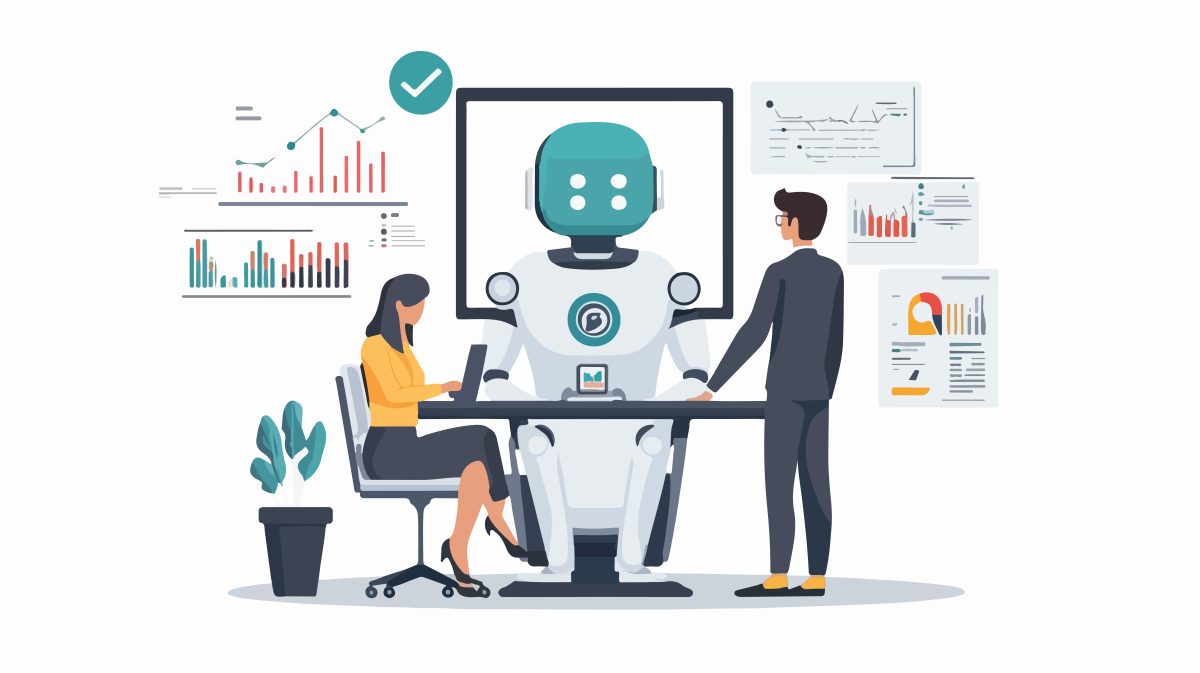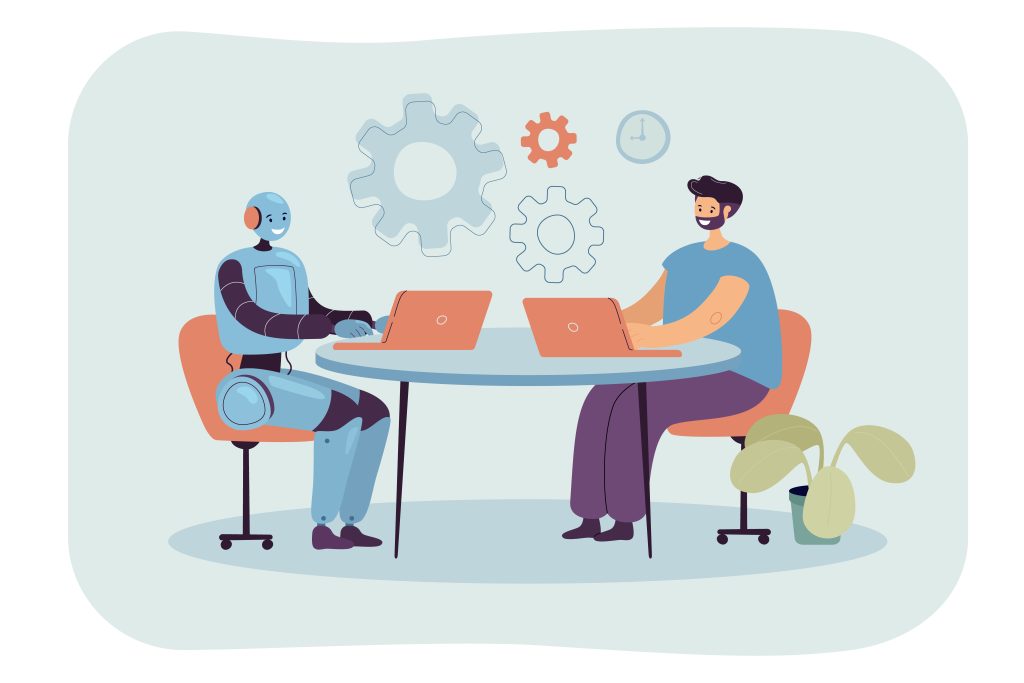


Conversational AI vs Generative AI: What’s the Difference?

Artificial intelligence is revolutionizing how businesses interact with customers, manage operations, and drive innovation. Among the most impactful AI technologies are Conversational AI and Generative AI. While both leverage advanced machine learning models, they serve distinct purposes. Conversational AI is designed for interactive communication, while Generative AI focuses on creating new content. Understanding their differences, applications, and importance in 2025 can help businesses adopt the right AI solutions for their needs.


                                                                                                    By – Vamsi Bumireddy (CTO)

What is Conversational AI?

Conversational AI enables human-like interactions through chatbots, virtual assistants, and voice-based systems. It is trained to understand natural language, process user queries, and deliver relevant responses in real-time. Powered by Natural Language Processing (NLP) and machine learning, Conversational AI enhances customer service, automates responses, and provides intelligent support across various industries.


Some key characteristics of Conversational AI include:


1. Real-time interaction and response generation

2. Understanding user intent through NLP

3. Seamless integration with customer service platforms

4. Ability to learn and improve from interactions

What is Generative AI?

Generative AI goes beyond responding to queries; it creates entirely new content based on the data it has been trained on. This includes text generation, image creation, code writing, and content automation. By using deep learning models like GPT (Generative Pre-trained Transformer), Generative AI can produce human-like text, generate reports, and assist with creative tasks.


Some key characteristics of Generative AI include:


1. Producing original text, images, and media

2. Learning patterns from vast datasets to generate contextually relevant content

3. Assisting in automating creative tasks such as marketing content, article writing, and product descriptions 

Key Differences Between Conversational AI and Generative AI


Feature Conversational AI Generative AI
Primary Function Engages in real-time conversations Creates new content based on data
Technology Used NLP, ML, and speech recognition Deep learning, transformers, and neural networks
Common Use Cases Chatbots, virtual assistants, automated customer support Content generation, creative writing, image synthesis
Response Nature Interaction-based, answering queries Data-driven, generating new outputs
Industries Customer service, healthcare, retail Marketing, software development, media

Uses and Purposes of Conversational AI and Generative AI

Both AI types have unique use cases that make them valuable in different sectors.


Conversational AI Use Cases


Customer Service: Automates responses to inquiries, reducing human workload


Healthcare: AI-powered chatbots assist with patient queries and appointment scheduling


Retail and E-commerce: Personalized shopping assistants provide recommendations


Banking and Finance: AI-driven support for transactions and fraud detection


HR & Recruitment: Automated interviews and employee query handling


Generative AI Use Cases


Content Marketing: Automates blog writing, social media posts, and ad copies


Software Development: AI-generated code for application development


Creative Industries: Produces artwork, music, and video content


Legal and Compliance: Drafts contracts and legal documentation


E-learning & Training: Creates personalized learning materials and training simulations

Conversational AI vs Generative AIWhy AI is More Important Than Ever in 2025
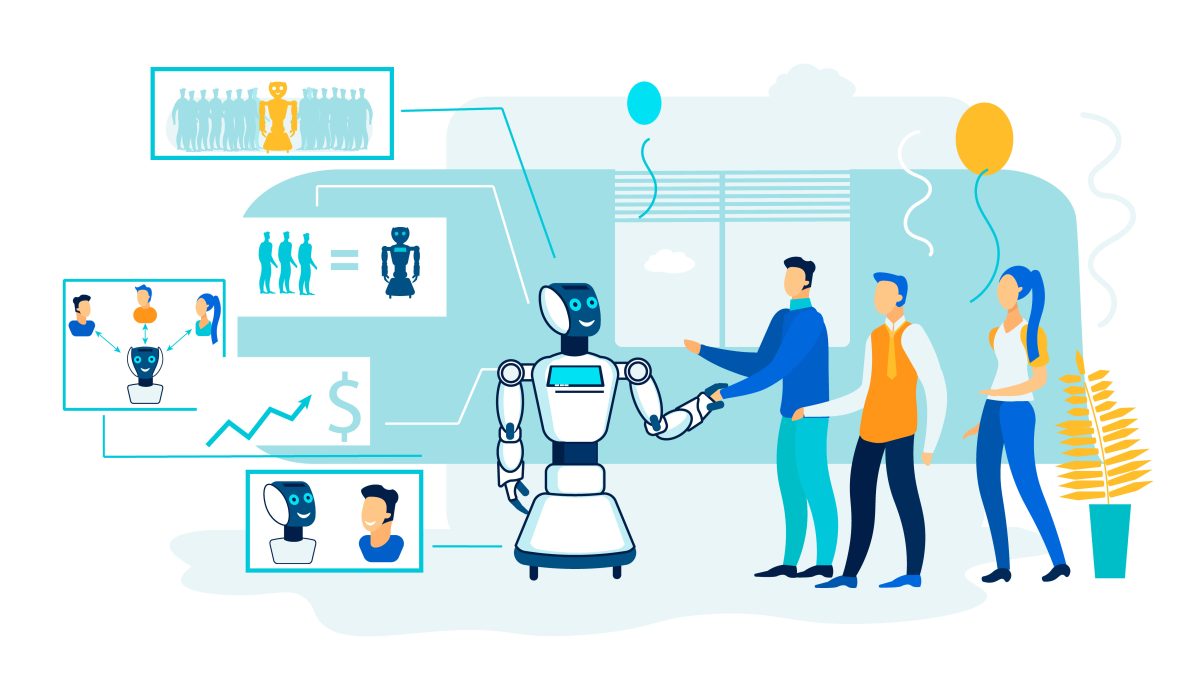
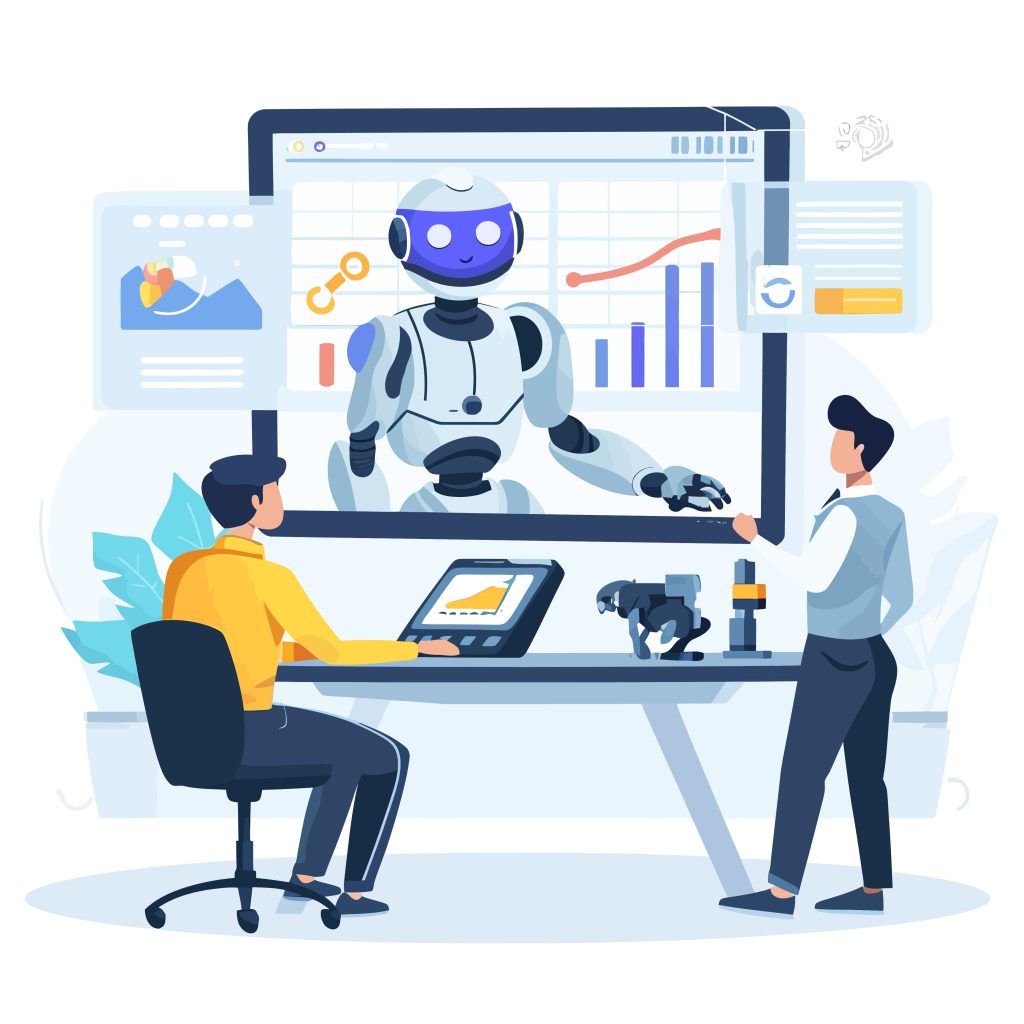
The increasing reliance on digital solutions makes AI more critical than ever. Companies across industries are leveraging Conversational AI and Generative AI to stay competitive. Key reasons why they are essential in 2025 include:


Scalability: AI can handle vast amounts of queries and tasks, reducing dependency on human labour


Cost Efficiency: Automating workflows reduces operational costs while improving service quality


Data-Driven Insights: AI can analyze trends, optimize processes, and enhance decision-making


Personalization: AI-driven solutions provide tailored experiences for customers and employees


Automation of Repetitive Tasks: Reduces manual workload, allowing employees to focus on high-value tasks

Challenges Businesses Face Without Conversational and Generative AI

Without the adoption of AI technologies, businesses may struggle with:


Inefficient Customer Support: Delays in responding to inquiries lead to poor customer satisfaction


Lack of Personalization: Generic communication fails to engage customers effectively


High Operational Costs: Relying solely on human effort for repetitive tasks increases expenses


Limited Content Creation Capabilities: Slower and less scalable content production

How Stratpilot Can Help Businesses Leverage AI

Stratpilot is an advanced AI-powered assistant designed to help businesses integrate Conversational AI and Generative AI effectively. By combining intelligent automation with actionable insights, Stratpilot empowers companies to enhance productivity, improve customer engagement, and streamline operations.


Stratpilot provides:


AI-Driven Customer Interactions: Enhances communication with real-time, intelligent responses


Content Generation Capabilities: Automates marketing, documentation, and content creation


Custom AI Solutions: Tailored to business needs, ensuring seamless integration and usability


Scalable AI Assistance: Adapts to business growth, whether for startups or large enterprises


Actionable Insights: Provides analytics and recommendations to improve business strategies


As AI continues to evolve, businesses that integrate Conversational AI and Generative AI gain a competitive edge. With Stratpilot, you can harness the power of AI to enhance efficiency, automate processes, and deliver exceptional customer experiences.


Take the next step and explore how Stratpilot can transform your business. Sign up for Stratpilot today!

Frequently Asked Questions (FAQs)


1. Can businesses use both Conversational AI and Generative AI?


Yes, many businesses use both. Conversational AI handles customer interactions, while Generative AI assists with content creation and automation.


2. Is Stratpilot suitable for small businesses?


Yes, Stratpilot is designed to scale with businesses of all sizes, providing tailored AI-driven solutions.


3. How does AI improve customer service?


AI enhances customer service by automating responses, improving response times, and personalizing customer experiences.


4. Does Stratpilot require technical expertise to implement?


No, Stratpilot is designed for ease of use and seamless integration, making AI adoption accessible for businesses without technical expertise.

10 Powerful Prompts to Harness AI in Corporate Learning

Corporate learning is evolving rapidly, with Artificial Intelligence playing a pivotal role in enhancing training efficiency, personalizing learning experiences, and optimizing knowledge retention. Companies worldwide are leveraging AI-powered tools to streamline employee training, improve engagement, and stay competitive. But how exactly can AI be harnessed to transform corporate learning? In this blog, we’ll explore what AI in corporate learning entails, 10 powerful AI-driven prompts to maximize its potential, and how Stratpilot can revolutionize corporate training for your business.


                                                                                                    By – Vamsi Bumireddy (CTO)

What is AI in Corporate Learning?

AI in corporate learning refers to the integration of artificial intelligence-powered technologies in employee training and professional development programs. It automates content creation, personalizes learning pathways, provides real-time feedback, and enhances knowledge retention.


From AI-powered chatbots guiding employees through training modules to machine learning algorithms predicting skill gaps, AI is reshaping corporate education by making it more adaptive, interactive, and data-driven.

10 Prompts to Harness AI in Corporate Learning


1. Personalized Learning Pathways


Prompt: “Create an AI-driven learning roadmap based on an employee’s past performance, skill gaps, and career goals.”


AI can tailor individualized training plans for employees, ensuring they receive the right content at the right time, increasing engagement and efficiency.


2. AI-Powered Content Curation


Prompt: “Recommend the best AI-generated training materials based on employee roles and industry trends.”


AI curates relevant learning materials, such as videos, articles, and courses, ensuring employees receive up-to-date industry knowledge.


3. Real-Time Knowledge Check and Feedback


Prompt: “Use AI to assess an employee’s understanding of training material and provide instant feedback.”


AI-powered assessments ensure employees retain critical knowledge and receive actionable feedback to improve performance.


4. Virtual AI Coaching and Mentoring


Prompt: “Develop an AI-powered mentor that guides employees in leadership, decision-making, and skill development.”


AI-driven mentors simulate real-world scenarios and provide coaching tailored to an employee’s learning style and career aspirations.


5. Automated Compliance Training


Prompt: “Create AI-powered compliance training modules that adapt to employee progress and regulatory updates.”


AI automates compliance training, ensuring employees stay updated on policies, regulations, and best practices without manual intervention.

 AI in Corporate Learning

6. AI-Powered Simulations for Soft Skills Training


Prompt: “Generate AI-driven role-play scenarios to enhance communication, problem-solving, and conflict-resolution skills.”


AI creates realistic workplace simulations to help employees develop critical soft skills like negotiation, teamwork, and leadership.


7. Predictive Analytics for Skill Gaps


Prompt: “Use AI analytics to identify skill gaps in employees and recommend targeted training solutions.”


AI-driven insights help organizations proactively address workforce skill gaps, ensuring employees are always future-ready.


8. AI Chatbots for Instant Learning Support


Prompt: “Develop an AI-powered chatbot that answers employee training queries in real-time.”


AI chatbots provide on-demand learning assistance, enabling employees to access information whenever they need it.


9. Adaptive Learning with AI


Prompt: “Design AI-driven learning modules that adjust difficulty levels based on an employee’s progress.”


Adaptive learning ensures that employees receive training at their own pace, making learning efficient and stress-free.


10. AI-Powered Performance Insights & Learning Reports


Prompt: “Generate AI-driven reports analyzing employee training progress and suggesting improvements.”


AI evaluates learning effectiveness and provides businesses with data-driven recommendations to enhance training programs.

The Growing Need for AI in Corporate Learning

AI is no longer a futuristic concept, it’s a necessity for businesses aiming to streamline training, boost productivity, and retain top talent. Traditional corporate learning methods are often time-consuming, generic, and ineffective.


With AI-driven personalization, automation, and analytics, companies can:


  1. Reduce training costs
  2. Improve employee engagement
  3. Ensure faster knowledge retention
  4. Deliver data-driven learning improvements

 AI in Corporate Learning

What Happens If Businesses Don’t Use AI in Corporate Learning?

Ignoring AI in corporate learning can lead to major inefficiencies and missed growth opportunities:


1. Generic Training Content


Without AI, employees receive one-size-fits-all training, leading to low engagement and effectiveness.


2. Skill Gaps & Workforce Inefficiencies


AI helps detect knowledge gaps, ensuring employees stay industry-ready. Without AI, businesses risk falling behind competitors.


3. Time-Consuming Training Programs


Manual training processes take longer to implement and update, whereas AI automates learning delivery.


4. Lack of Real-Time Insights


AI provides instant feedback and learning analytics, whereas traditional methods rely on delayed evaluations.

How Stratpilot Can Elevate Corporate Learning

Stratpilot is an AI-powered productivity and learning assistant designed to redefine corporate training. With AI-driven insights, automated learning pathways, and real-time feedback, Stratpilot ensures that businesses stay ahead in workforce development.


By using Stratpilot, organizations can:


  1. Generate real-time reports to track learning effectiveness
  2. Automate content curation to keep training relevant and updated
  3. Provide instant AI-driven assistance for employee queries
  4. Ensure personalized learning tailored to individual growth


With Stratpilot, businesses can enhance productivity, reduce training overheads, and create a smarter workforce.


Take the Next Step with Stratpilot


Are you ready to revolutionize corporate learning with AI? Start leveraging Stratpilot today to empower your team with AI-driven insights, smart learning modules, and real-time assistance.


Sign up now and experience next-level corporate training with AI!

Frequently Asked Questions (FAQs)


1. What makes AI in corporate learning more effective than traditional training?


AI enhances corporate learning by personalizing content, automating assessments, providing real-time insights, and identifying skill gaps—leading to more efficient and engaging training experiences.


2. Can AI replace human trainers in corporate learning?


No, AI is meant to augment human trainers by automating repetitive tasks, providing insights, and personalizing learning experiences. Human trainers still play a crucial role in mentoring and guiding employees.


3. How does Stratpilot improve AI-driven corporate learning?


Stratpilot integrates AI-powered insights, real-time feedback, and automated content curation for corporate learning and enhances workforce productivity.

AI Prompts for Risk Management: Improve Decision-Making with AI

Risk management is critical for any business, ensuring that potential threats are identified, assessed, and mitigated before they impact operations. AI-powered prompts can help teams streamline risk assessment, anticipate potential disruptions, and develop proactive strategies. In this blog, we’ll explore 10 AI prompts for risk management and provide practical examples of how they can enhance decision-making and safeguard business continuity.


                                                                                                   By – Vamsi Bumireddy (CTO) 

Why Use AI Prompts for Risk Management? 

Traditional risk management often relies on historical data, manual analysis, and reactive strategies. AI, however, can process vast amounts of data in real-time, offering proactive insights, scenario planning, and adaptive risk mitigation. 


Using AI prompts, businesses can:


  1. Identify hidden risks before they become major issues.
  2. Create structured risk management plans with clear action steps.
  3. Improve team decision-making with AI-driven recommendations.
  4. Enhance compliance by ensuring alignment with industry standards.

Now, let’s dive into the top 10 AI prompts for risk management and how they work.

10 Best AI Prompts for Risk Management


  1. Identifying Emerging Risks

Prompt: “Analyze current industry trends and generate a list of potential risks that could impact our business in the next 12 months.” 


Example Output: Potential risks include supply chain disruptions due to geopolitical instability, rising cybersecurity threats from AI-driven attacks, and regulatory changes affecting compliance requirements. 


Why This Is Useful: Identifying risks early allows businesses to prepare contingency plans rather than reacting to crises when they occur. AI helps analyze market trends and highlight areas of concern that might not be immediately obvious. 


  1. Assessing Financial Risks

Prompt: “Evaluate the financial health of our company and identify key vulnerabilities that could lead to cash flow issues or revenue decline.” 


Example Output: Projected risks include increased operational costs due to inflation, potential late payments from key clients, and dependency on a single revenue stream. 


Why This Is Useful: Financial stability is essential for business continuity. AI-driven insights help organizations anticipate financial risks and create strategies to maintain stability, such as diversifying revenue sources or renegotiating supplier contracts. 


  1. Predicting Cybersecurity Threats

Prompt: “Analyze recent cyberattack trends and generate a risk assessment for our company, along with recommended security measures.” 


Example Output: Your industry has seen a 30% rise in phishing attacks targeting financial data. Implement multi-factor authentication and conduct cybersecurity training to mitigate risks. 


Why This Is Useful: Cybersecurity threats evolve rapidly, and businesses must stay ahead of emerging risks. AI helps predict potential vulnerabilities and recommends proactive measures to strengthen data protection and prevent security breaches. 


  1. Evaluating Vendor and Supply Chain Risks

Prompt: “Identify weak points in our supply chain that could lead to disruptions and recommend contingency plans.” 


Example Output: High dependency on a single overseas supplier poses a risk. Consider diversifying suppliers and maintaining a 60-day inventory buffer. 


Why This Is Useful: Supply chain disruptions can significantly impact operations and customer satisfaction. AI provides data-driven recommendations to mitigate risks by improving supply chain resilience and ensuring business continuity. 

AI Prompts for Risk Management

  1. Crisis Management Planning

Prompt: “Develop a crisis response plan for a potential data breach, ensuring compliance with industry regulations.” 


Example Output: Immediate response includes isolating affected systems, notifying stakeholders, and implementing a forensic investigation to determine the breach source. 


Why This Is Useful: Having a crisis management plan in place reduces downtime and minimizes reputational damage in the event of a data breach. AI helps businesses create structured response plans that align with industry regulations and best practices. 


  1. Compliance and Regulatory Risk Management

Prompt: “Analyze upcoming industry regulations and generate a checklist to ensure our company remains compliant.” 


Example Output: New GDPR updates require stricter data encryption. Ensure customer data storage meets the latest security standards. 


Why This Is Useful: Regulatory compliance is essential to avoid legal penalties and maintain customer trust. AI helps businesses stay up to date with changing regulations and ensures that compliance measures are effectively implemented. 


  1. Employee Risk Awareness & Training

Prompt: “Create a risk-awareness training program to educate employees on fraud detection and workplace safety.” 


Example Output: The training program includes identifying phishing emails, reporting suspicious activities, and following workplace safety protocols. 


Why This Is Useful: Employees play a critical role in risk management. AI-driven training programs ensure that staff members are aware of potential threats and equipped with the knowledge to mitigate risks within their roles. 


  1. Scenario Analysis for Risk Preparedness

Prompt: “Simulate a worst-case scenario for a market downturn and provide strategic recommendations to minimize financial impact.” 


Example Output: Reduce discretionary spending, explore alternative revenue streams, and renegotiate supplier contracts to improve cost efficiency. 


Why This Is Useful: Market fluctuations are unpredictable, and businesses must be prepared for downturns. AI helps simulate different scenarios and provides actionable strategies to safeguard financial stability. 


  1. Reputation Risk Management

Prompt: “Assess potential reputation risks for our brand and suggest ways to improve public perception and crisis communication.” 


Example Output: Social media monitoring suggests increased negative sentiment around customer service. Implement proactive communication strategies and enhance customer support response times. 


Why This Is Useful: Reputation damage can lead to loss of customers and revenue. AI enables businesses to monitor brand perception in real-time and take corrective actions before issues escalate. 


  1. AI-Powered Risk Scoring

Prompt: “Generate a risk score for different business areas based on operational data, financial stability, and compliance readiness.” 


Example Output: Finance: Low risk (score: 2/10), Operations: Medium risk (score: 5/10), Cybersecurity: High risk (score: 8/10). Implement stricter cybersecurity measures immediately. 


Why This Is Useful: Risk scoring provides a structured way to assess vulnerabilities and prioritize actions. AI-driven risk assessment helps businesses allocate resources effectively to areas that require immediate attention. 

AI Prompts for Risk ManagementExample Output of AI-Generated Goal Setting 

Let’s walk through an example of how AI-powered prompts can generate effective risk management goals for a business. 

Scenario 


A manufacturing company is facing supply chain disruptions due to geopolitical instability and fluctuating raw material prices. The business wants to strengthen its risk management framework to minimize operational disruptions. 

Prompt 


“Create a structured risk management goal to reduce supply chain risks, ensure continuity, and improve supplier diversification within the next six months.” 

AI-Generated Output 


SMART Goal: The company will reduce supply chain dependency on a single supplier by establishing contracts with three additional vendors in different regions within six months. This will ensure that at least 80% of essential raw materials can still be sourced in case of disruption. 

How Stratpilot Supports Smarter Risk Management 

Managing risk effectively requires data-driven decision-making and structured planning. Stratpilot acts as an AI-powered productivity companion, enabling businesses to integrate AI-driven insights into their risk management processes. By leveraging Stratpilot’s intelligent prompts and its features businesses can proactively identify risks, develop mitigation strategies, and improve overall preparedness. Stratpilot helps teams assess potential risks with structured AI-generated insights, offering practical recommendations tailored to industry-specific challenges. With its ability to streamline decision-making, Stratpilot ensures that businesses stay ahead of emerging threats and operate with greater confidence in an uncertain landscape. 

Start Using Stratpilot Today 


Take a proactive approach to risk management with Stratpilot. Sign up today and explore how AI-powered prompts can help you assess, mitigate, and manage risks effectively. 

Frequently Asked Questions (FAQs)


  1. How can AI improve risk management for businesses?

AI enhances risk management by analyzing large datasets, identifying potential threats, and providing actionable insights. It helps businesses move from reactive responses to proactive risk mitigation strategies.


  1. Can AI prompts be tailored to specific business needs?

Yes, AI prompts can be customized based on industry requirements, company size, and specific risk factors. AI adapts to business data to provide relevant insights and recommendations.


  1. How does Stratpilot assist in risk management?

Stratpilot provides AI-powered prompts that help businesses identify, assess, and mitigate risks. It enhances decision-making by offering structured insights and strategic recommendations.


  1. Can AI prompts be customized for different industries?

Yes, AI prompts can be tailored to specific industries, including finance, healthcare, retail, and logistics. AI adapts to industry trends, ensuring that risk assessments align with sector-specific challenges.


  1. Is AI risk management suitable for small businesses?

Yes, AI-driven risk management is beneficial for businesses of all sizes. Small businesses can use AI to assess vulnerabilities, optimize resources, and develop proactive strategies without requiring extensive in-house expertise. 

AI Prompts for Time Management and Productivity in Small Business

In today’s fast-paced business world, small business owners often juggle multiple tasks and responsibilities. The pressure to efficiently manage time and boost productivity is constant. With the rise of artificial intelligence (AI), many entrepreneurs are turning to AI-powered tools and techniques to streamline their workflows and achieve more with less effort. This blog will explore how AI Prompts for Time Management and Productivity will be a game-changer in small businesses. We will cover AI prompts that can help small businesses stay on track, improve organization, and reach goals faster.


                                                                                                    By – Vamsi Bumireddy (CTO)

Why Use AI for Goal Setting in Time Management and Productivity Enhancement for Small Business?

AI is revolutionizing how small businesses manage their time and enhance productivity. Traditional methods of time management like to-do lists or scheduling software can sometimes feel limited in their effectiveness. AI can help by providing personalized recommendations, analyzing your behavior, and automating repetitive tasks. It is especially valuable for small business owners who need to wear many hats but lack the time or resources for complex project management systems.


AI can help you set realistic goals, track progress, and suggest strategies to overcome obstacles, ultimately helping you manage your time better and work more efficiently.

Powerful AI Prompts for Time Management and Productivity


Prompt 1


“Provide me with a structured plan for today based on my ongoing tasks and deadlines.”


Example Prompt


“I have three client meetings, a report due by the end of the day, and some follow-up emails to send. What’s the best order to complete these tasks, considering my peak productivity hours?”


AI Output


The AI may suggest a schedule where you first complete the report (if it’s a higher-priority task), followed by emails after your meetings. It will also optimize your task list based on the time of day, suggesting you tackle demanding tasks when most alert.


How This Helps


This prompt helps you organize your day by focusing on high-priority activities first and optimizing your schedule based on energy levels. This minimizes distractions and ensures that you complete critical tasks on time.


Prompt 2


“Help me set SMART goals for the upcoming quarter to improve my business efficiency.”


Example Prompt


“I want to increase sales by 15% and improve customer satisfaction. Can you help me break down these into measurable goals?”


AI Output


The AI will assist you in setting SMART (Specific, Measurable, Achievable, Relevant, Time-bound) goals, such as: “Increase sales by 5% in each of the next three months, track customer satisfaction with monthly surveys, and achieve a 90% satisfaction rate.


How This Helps


Breaking down goals into SMART criteria helps ensure they are clear and achievable, preventing you from getting overwhelmed. AI can also help you set intermediate milestones to track your progress.


AI Prompts for Time Management and ProductivityPrompt 3


“Suggest the best ways to improve team productivity this week.”


Example Prompt


“We’re working on a project with a tight deadline. What tools or techniques can improve team collaboration and efficiency?”


AI Output


The AI may recommend strategies like using task management apps like Trello or Asana, suggesting daily stand-up meetings to align priorities, and offering productivity tips such as focusing on one task at a time.


How This Helps


This AI-generated output helps you focus on improving team dynamics, streamlining communication, and avoiding distractions, ensuring that your team is more aligned and productive.


Prompt 4


“What are the top time-saving automation tools for small businesses?”


Example Prompt


“Can you suggest tools that can automate my invoicing, social media posts, and email marketing campaigns?”


AI Output


The AI could suggest tools like Zapier (for automating workflows), Hootsuite (for scheduling social media posts), and QuickBooks (for automating invoicing and accounting tasks).


How This Helps


By automating routine tasks, AI frees up your time to focus on higher-value activities, reducing manual labour and increasing overall efficiency.

Example: How AI Prompts for Time Management and Productivity Work in Action


Scenario


You are a small business owner running a marketing agency. You’re struggling to keep track of your client’s needs, deliverables, and deadlines.


AI Prompt


“Create a project timeline for the next 30 days for Client A’s marketing campaign, including all tasks, deadlines, and client check-ins.”


AI Output


The AI generates a timeline that includes every step of the campaign, from brainstorming to delivering the final report. It schedules regular check-ins with the client to ensure they are involved throughout the process.


This output not only helps you stay organized but also ensures you don’t forget any critical steps or deadlines. AI does all the heavy lifting in terms of structuring the campaign, while you focus on executing the plan.

AI Prompts for Time Management and Productivity

How Stratpilot Helps

Stratpilot is an AI-powered platform designed to enhance business operations, improve productivity, and support time management. It offers small businesses personalized prompts and recommendations tailored to their specific needs. Stratpilot ensures that every business decision is informed, and data driven.


Stratpilot also supports collaborative work environments by helping teams align on shared goals, manage projects, and stay organized. Stratpilot is a powerful tool to enhance productivity and time management in any small business. Sign up today!

Frequently Asked Questions (FAQ)


  1. How can AI improve my daily productivity?

AI can help by automating repetitive tasks, setting reminders, prioritizing your schedule based on urgency, and even suggesting strategies to maximize your time. With AI tools, you can spend less time on administrative tasks and more on strategic decision-making.


  1. Are AI-generated prompts useful for both small and large businesses?

Yes, AI-generated prompts are adaptable to businesses of all sizes. Small businesses can use them for day-to-day productivity, while larger organizations can benefit from AI’s ability to streamline complex processes, track team goals, and manage large-scale projects.


  1. Can AI replace my current project management software?

AI tools can complement your existing software by enhancing your workflows with automation and personalized recommendations. While they may not fully replace project management software, AI can improve the efficiency of how tasks are managed and tracked.


  1. How does Stratpilot integrate with my current business tools?

Stratpilot integrates seamlessly with the most common business software, task management systems, and CRM tools. It enhances existing systems by providing intelligent prompts, automating tasks, and offering data insights to improve your productivity.

AI Prompts for Small Business Owners and Entrepreneurs


As a small business owner, your team’s success depends on setting clear, actionable goals. However, goal setting isn’t always straightforward, balancing long-term strategy with day-to-day execution can be overwhelming. This is where AI Prompts for Small Business Owners and Entrepreneurs come in. By leveraging AI, you can easily streamline goal creation, delegate responsibilities, and track progress.


                                                                                                    By – Vamsi Bumireddy (CTO)

Why AI-Powered Goal Setting is Useful for Small Businesses

Creates Data-Driven Goals: AI helps generate realistic and metrics-based goals aligned with your business objectives.

Saves Time: AI removes the guesswork and quickly structures objectives into actionable plans.


Enhances Team Efficiency: Well-defined AI-driven goals increase productivity and team motivation.


Automates Progress Tracking: AI-powered dashboards provide real-time insights on goal achievement.


Now, let’s explore AI-powered prompts that small business owners can use to set structured, actionable goals for their teams.

AI Prompts to Help Small-Business Owners and Entrepreneurs


1. AI-Generated Employee Development Plan


Prompt


“Analyze my team’s current skill set and suggest an upskilling roadmap for the next six months, ensuring alignment with business growth.”


Example Output


Upskilling Plan


Customer Service Team: Train in AI-powered chat handling and personalized responses.


Marketing Team: Learn AI-driven content creation tools and SEO automation.


Sales Team: Implement AI-assisted lead scoring for improved conversion rates.


Why this is useful


AI-generated plans ensure targeted growth that directly impacts business performance.


2. Custom Goal Setting for Seasonal Business Growth


Prompt


“Based on my business’s sales trends from the past two years, suggest seasonal sales goals and a strategy to maximize revenue during peak months.”


Example Output


Seasonal Growth Strategy


Q4 (Holiday Season): Aim for a 30% increase in online sales by implementing AI-driven personalized marketing campaigns.


Q1 (Post-Holiday Sales Dip): Focus on customer retention programs and AI-generated loyalty discounts.


Q2 (Spring Promotions): Launch an AI-driven email campaign targeting past seasonal buyers.


Why this is useful


It helps forecast demand, reduce slow periods, and maximize profits throughout the year.


AI Prompts for Small-Business Owners and Entrepreneurs

3. AI-Powered Customer Retention Goal


Prompt


“Analyze my customer feedback and suggest a data-backed goal to improve retention and engagement over the next quarter.”


Example Output


Customer Retention Goal: Improve repeat customer purchases by 20% over the next three months by:


Segmenting high-value customers and offering personalized discounts.


Using AI chatbots for proactive customer support.


Launching an AI-powered post-purchase follow-up campaign.


Why this is useful


AI identifies patterns in customer behaviour to craft retention strategies based on real insights.


4. AI-Based Productivity Boost for Remote Teams


Prompt


“Analyze my team’s remote work habits and suggest goal-driven strategies to improve productivity and accountability.”


Example Output


Productivity Goal: Increase remote team efficiency by 25% over the next two months by


Implementing AI-powered project management tools for task tracking.


Using automated performance analytics to adjust workloads.


Conducting weekly AI-driven engagement surveys to ensure team motivation.


Why this is useful


Helps remote teams stay focused, accountable, and high-performing.

Example Output of AI-Generated Goal Setting

Let’s walk through a real-world example of how these AI prompts can generate valuable outputs for a small business.


Scenario


A digital marketing agency wants to improve campaign effectiveness and client retention.


Prompt


“Generate a SMART goal for my digital marketing team to improve ad performance and increase client retention by [percentage] over the next [period].”


AI Output


SMART Goal: The marketing team will increase ad conversion rates by 25% and boost client retention by 15% over the next three months by:


Implementing AI-driven A/B testing for ad creatives.


Using predictive analytics to optimize ad spending.


Introducing personalized client engagement strategies based on AI insights.

AI Prompts for Small Business

Stratpilot: Empowering Small Businesses with AI-Driven Efficiency


Running a small business comes with constant challenges, from managing daily operations to ensuring long-term growth. Stratpilot simplifies this process by leveraging AI to provide actionable insights and enhance team collaboration. Whether you need to track key performance indicators, delegate responsibilities effectively, or refine your business strategies, Stratpilot helps you stay organized and focused. By integrating AI-powered assistance into your workflow, you can make smarter decisions, optimize resources, and drive sustainable growth.


Start Using Stratpilot Today


Experience the power of AI-driven business management designed specifically for small-business owners and entrepreneurs. Sign up for Stratpilot today!

Frequently Asked Questions (FAQs)


1. How can AI prompts help small-business owners with team management?


AI prompts can guide business owners in setting clear team objectives, structuring tasks, and streamlining decision-making. They provide insights to help managers define priorities, improve team alignment, and enhance productivity.


2. What kind of goals can AI help set for my business?


AI can assist in defining structured goals for business growth, such as improving customer engagement, enhancing marketing strategies, refining project workflows, and optimizing internal processes. These goals are generated based on best practices and tailored recommendations.


3. How does Stratpilot assist small-business owners?


Stratpilot is an AI-powered productivity companion that helps small-business owners by generating structured goal-setting prompts, offering tailored workspace templates, and acting as a strategic assistant. It simplifies planning, provides actionable insights, and ensures that business owners can focus on key priorities without the complexity of manual brainstorming.


4. Can AI-generated prompts work for different industries?


Yes, AI prompts are flexible and can be tailored to various industries, including retail, consulting, education, and technology. AI-driven recommendations ensure that the strategies align with industry-specific needs and business objectives.


5. How do I start using AI for goal setting in my business?


You can start by leveraging an AI-powered assistant like Stratpilot, which offers pre-built templates and intelligent prompts to help structure your business goals. By using Stratpilot, small-business owners can improve efficiency and develop more effective strategies without extensive manual effort.

Best AI Prompts for Employee Training Programs


Effective employee training programs are essential for businesses to boost productivity, improve skills, and maintain a competitive edge. However, crafting a well-structured training plan that aligns with company goals can be time-consuming. AI-powered prompts can simplify this process by helping businesses create tailored training programs that address skill gaps, enhance performance, and drive employee engagement. In this blog, we’ll explore how AI Prompts for Employee Training can assist in developing structured training programs, provide ready-to-use prompt templates, and showcase example outputs.


                                                                                                    By – Vamsi Bumireddy (CTO)


Why Use AI for Employee Training Program Development?

Using AI Prompts for Employee Training programs offers several benefits:


Efficiency


Saves time by generating structured training plans in minutes.


Customization


Creates tailored programs based on company-specific needs.


Data-Driven Insights


AI can analyze performance gaps and suggest relevant training topics.


Consistency


Ensures that training materials follow a standard format.


AI Prompts for Employee Training Programs


1. Identifying Skill Gaps


Prompt


“Analyze the performance of employees in [department/team] and identify three key skill gaps that need to be addressed through training. Provide recommendations on how to close these gaps effectively.”


Example Output


Skill Gap 1: Lack of proficiency in data analysis → Solution: Introduce a structured training module on Excel and Power BI.


Skill Gap 2: Weak customer communication skills → Solution: Implement role-playing exercises and AI-driven chatbot simulations.


Skill Gap 3: Low understanding of cybersecurity best practices → Solution: Conduct interactive workshops with real-world cybersecurity scenarios.


Why this is useful


This helps businesses pinpoint areas where employees need improvement and ensures targeted training.


2. Creating a Structured Training Plan


Prompt


“Generate a step-by-step training plan for new employees in [specific department]. The plan should include key topics, learning objectives, and expected outcomes over a [specific period].”


Example Output


Week 1: Company Overview & Compliance Training

Week 2: Hands-on Product Training & Customer Interaction Guidelines

Week 3: Problem-Solving & Crisis Management Simulation

Week 4: Performance Evaluation & Feedback Session


Why this is useful


It provides a structured approach to onboarding and ensures that new employees receive comprehensive training.


AI Prompts for Employee Training

3. Designing Engaging Training Materials


Prompt


“Create an engaging training module outline for [specific skill or topic]. Include interactive elements such as quizzes, case studies, or role-playing activities.”


Example Output


Training Module: Effective Communication in the Workplace

Introduction: Importance of clear communication

Interactive Activity: Real-life communication challenge & group discussion

Case Study: Handling workplace conflicts

Quiz: Common communication mistakes & best practices

Role-Playing Exercise: Practicing active listening skills


Why this is useful


This ensures that training materials are interactive and engaging rather than passive learning.


4. Measuring Training Effectiveness


Prompt


“Design a feedback and assessment plan to measure the effectiveness of the [specific training program]. Include methods for collecting feedback and key performance indicators (KPIs) to track.”


Example Output


Post-training survey: Employee confidence levels before and after training.

Knowledge assessment: Short quiz to evaluate understanding of key concepts.

Performance metrics: Measure productivity improvements in trained employees.

Feedback Sessions: Gather insights from employees on training impact.


Why this is useful


It ensures training programs deliver measurable results and can be refined for better outcomes.


Example Output of AI-Generated Goal Setting for Employee Training Programs

Let’s walk through an example of how AI-generated goal setting can help craft training programs for your team.

Scenario


An SME wants to create an effective training program to enhance employee skills and improve overall team performance.


Prompt


“Create a SMART goal for the employee training program to enhance [specific skill] and improve [specific metric, e.g., productivity, engagement] over the next [period].”


AI Output


SMART Goal


The employee training program will enhance communication skills and improve team collaboration by 20% over the next six months by introducing a series of communication workshops and interactive team-building exercises.


Delegating Tasks


For Employee A: Set an individual goal to participate in weekly role-play exercises and aim for a 90% success rate in communication scenario tests.


For Employee B: Encourage them to lead team discussion sessions and document feedback from peers to track improvements in collaboration and engagement.


AI Prompts for Employee Training

How Stratpilot Can Support Your Employee Training Goals

Stratpilot acts as your AI-powered assistant, helping businesses create structured, efficient, and engaging training programs. With AI-driven templates, automated goal tracking, and customized training insights, Stratpilot ensures that your team receives the most relevant and effective training solutions.


Take the next step in optimizing employee training, sign up for Stratpilot today!

Frequently Asked Questions (FAQs)


1. How can AI improve employee training programs?


AI helps streamline training by identifying skill gaps, designing structured learning paths, and generating interactive content tailored to employee’s needs.


2. Can AI-generated training plans be customized for different industries?


Yes! AI can tailor training plans based on industry requirements, company objectives, and individual employee roles.


3. What tools can I use to generate AI training prompts?


You can use AI platforms like Stratpilot to create structured training programs.


4. How do I track the effectiveness of AI-generated training programs?


You can use feedback surveys, knowledge assessments, KPI tracking, and performance evaluations to measure training success.


5. Is Stratpilot suitable for small businesses and startups?


Absolutely! AI assistants like Stratpilot are cost-effective, and scalable, and help SMEs implement structured learning without needing large HR teams.

Powerful Use Cases of Generative AI for Customer Service


Customer service is evolving rapidly, and businesses are embracing new technologies to improve efficiency and customer satisfaction. Generative AI for customer service is at the forefront of this transformation, providing automated, intelligent, and human-like interactions that enhance support experiences. From instant query resolution to personalized assistance, AI redefines how businesses engage with customers. This blog will explore 10 powerful use cases of generative AI in customer service, demonstrating its growing impact in the industry.


                                                                                                    By – Vamsi Bumireddy (CTO)

What is Generative AI for Customer Service?

Generative AI for customer service refers to artificial intelligence systems capable of generating human-like responses, automating support interactions, and personalizing customer engagement. Unlike traditional rule-based chatbots, generative AI utilizes machine learning and natural language processing (NLP) to understand, generate, and respond to customer queries contextually and conversationally.


With the ability to handle complex inquiries, AI-powered customer service solutions improve efficiency, reduce response times, and enhance customer satisfaction. Businesses that leverage generative AI can provide 24/7 support, optimize resources, and ensure a seamless experience across multiple communication channels.

10 Use Cases of Generative AI for Customer Service


1. Automated Customer Support Chatbots


Generative AI-powered chatbots handle customer queries instantly, providing real-time solutions without human intervention. These bots analyze context and deliver accurate, personalized responses, reducing wait times and improving customer satisfaction.


2. AI-Powered Email Responses


Generative AI can draft and respond to customer emails efficiently. By analyzing past interactions and customer intent, AI generates well-structured replies, saving time for customer support agents.


3. Voice Assistants for Customer Queries


AI-driven voice assistants provide seamless voice-based interactions, helping customers resolve their issues without navigating complex menus. These assistants can process natural speech and offer instant solutions.


4. Personalized Customer Recommendations


By analyzing customer behaviour and purchase history, generative AI suggests tailored solutions, services, or products that enhance customer experience and engagement.


5. Multilingual Customer Support


Generative AI breaks language barriers by providing support in multiple languages. AI models translate and generate accurate responses in real time, making support accessible to a global audience.


6. Automated Ticket Resolution


AI classifies, prioritizes, and resolves customer service tickets by understanding the urgency and nature of requests, improving workflow efficiency for customer support teams.


7. AI-Generated FAQs and Help Articles


Generative AI can create and update FAQ sections and help centre articles, ensuring customers have access to up-to-date and relevant self-service resources.


8. Real-Time Sentiment Analysis


AI analyzes customer emotions and sentiments during interactions, allowing businesses to identify frustrated customers and escalate cases that require human intervention.


9. Proactive Customer Engagement


AI detects patterns in customer behaviour and reaches out proactively with solutions before an issue arises, enhancing customer retention and loyalty.


10. Seamless Omnichannel Support


Generative AI ensures a consistent support experience across email, chat, phone, and social media platforms by integrating responses and learning from past interactions.

Generative AI for Customer ServiceWhy is Generative AI Essential for Customer Service Today?

With rising customer expectations and increasing demand for instant resolutions, businesses need advanced AI-driven solutions to keep up. Generative AI offers efficiency, scalability, and personalization, making it an indispensable tool for modern customer service teams. By automating repetitive tasks and enhancing human-agent collaboration, AI helps businesses deliver better service while optimizing costs.

Challenges Faced by Businesses Without Generative AI in Customer Service

Companies that fail to integrate generative AI into customer service often struggle with:


  1. High response times, lead to frustrated customers.
  2. Inconsistent support quality due to human limitations.
  3. Limited scalability, making it hard to manage peak traffic.
  4. High operational costs, requiring more agents to handle queries.
  5. Lack of personalization, resulting in lower customer engagement.

Generative AI for Customer ServiceHow Stratpilot Can Enhance Your Customer Service Strategy

Stratpilot is an advanced AI assistant designed to revolutionize customer service by integrating cutting-edge gen AI technology. With its intelligent features, real-time responses, and personalized interactions, Stratpilot helps businesses provide superior customer support.


Unlike generic AI solutions, Stratpilot adapts to industry-specific needs, ensuring that customer interactions are aligned with business goals. By leveraging pre-trained AI models and real-time insights, Stratpilot reduces agent workload and delivers unparalleled customer satisfaction.

Take Your Customer Service to the Next Level

AI-driven customer service is no longer a luxury, it’s a necessity. Businesses that integrate generative AI gain a competitive edge, improving efficiency and customer loyalty. Sign up for Stratpilot today and experience the future of customer support.

Frequently Asked Questions (FAQs)


1. How does generative AI improve customer service?


Generative AI enhances customer service by providing instant, accurate, and personalized responses, automating routine inquiries, and streamlining support workflows.


2. Can generative AI replace human customer service agents?


No, generative AI is designed to augment human agents, not replace them. It handles repetitive tasks, allowing human agents to focus on more complex customer needs.


3. What industries can benefit from generative AI in customer service?


Generative AI benefits industries like e-commerce, finance, healthcare, telecom, and retail, where fast, accurate, and scalable customer support is essential.


4. Is generative AI suitable for small businesses?


Yes, small businesses can use generative AI to provide cost-effective, scalable, and efficient customer support, even with limited resources.


5. How does Stratpilot stand out from other AI customer service solutions?


Stratpilot offers customized AI solutions, industry-specific insights, and seamless integration, making it a superior choice for businesses looking to optimize customer support.

Using AI Prompts to Generate Blog Topics


As a content creator or business owner, coming up with fresh and engaging blog ideas can be challenging. Sometimes, you might feel stuck in a creative rut, unsure of where to go next. That’s where Artificial Intelligence (AI) can step in to make your life easier. With AI, specifically through the use of prompts, you can generate endless ideas for blog topics that are not only relevant but also engaging to your target audience. Let’s dive deeper into how we can use AI Prompts to generate blog topics, and how tools like Stratpilot can make it all easier.


                                                                                                                 By – Vamsi Bumireddy

Why Use AI for Goal Setting in Generating Blog Ideas in Your Business

AI is a powerful tool that can assist in goal setting, especially when it comes to content creation. By using AI to generate blog ideas, you can focus on creating content that aligns with your business goals, audience interests, and the latest trends.


Here are some reasons to leverage AI for goal setting in your content creation:


1. Consistency in Content Creation


AI can help you set up a content plan with consistent topics and ideas that match your business goals, making it easier to maintain a steady stream of blog posts.


2. Time-saving


Instead of spending hours brainstorming ideas, AI can instantly provide you with a variety of relevant blog topics in minutes.


3. Idea Validation


AI tools can help you identify what topics are trending or gaining traction online, so you can write content that’s timely and engaging.


4. Increased Creativity


AI can suggest angles and topics that you may not have considered, helping to spark new creative thoughts for your blog.

AI Prompts to Generate Blog Topics 

Here are four practical prompts you can use with AI to generate blog ideas:


Prompt 1


“Generate blog ideas related to [specific industry or niche] focusing on the most common challenges faced by professionals.”


Example


Generate blog ideas related to digital marketing, focusing on the most common challenges faced by marketing professionals.


How This Is Helpful


This prompt helps you stay focused on problems that your audience is facing. The AI will generate blog topics that provide solutions to these challenges, making your content more valuable to readers.


Prompt 2


“Suggest blog ideas around [current event or trending topic] that are relevant to [target audience].”


Example


Suggest blog ideas around the latest trends in Artificial Intelligence and its impact on the marketing industry for business owners.


How This Is Helpful


Using current events or trending topics ensures that your content is timely and relevant. AI can quickly scan what’s hot in the market and help you create content that aligns with your business and audience.


 AI Prompts to Generate Blog Topics


Prompt 3


“Give me blog ideas that educate [target audience] about [specific tool, technology, or method].”


Example


Give me blog ideas that educate small business owners about using SEO tools to increase their website traffic.


How This Is Helpful


By focusing on educational content, you provide value to your audience. AI can generate blog ideas that break down complex concepts into digestible content.


Prompt 4


“Generate blog ideas that compare [two similar things or topics] and help readers choose the best option for their needs.”


Example


Generate blog ideas that compare organic vs. paid social media marketing and help small businesses decide which strategy is best.


How This Is Helpful


Comparative blog posts are highly engaging because they help your audience make informed decisions. AI can help you structure this type of content effectively by offering multiple angles.

Example: How AI-Generated Prompts Work


Scenario


You’re a content creator for a digital marketing agency and want to create blog content for your target audience of small business owners.


AI Prompt


“Generate blog ideas that explain digital marketing strategies for small businesses in 2025.”


AI Output


  1. “5 Digital Marketing Trends Small Businesses Should Embrace in 2025”
  2. “How to Use Social Media Ads to Drive Sales for Small Businesses”
  3. “The Ultimate Guide to SEO for Small Business Owners in 2025”
  4. “Email Marketing Strategies Every Small Business Needs in 2025”


How This Helps


The AI quickly generates a list of blog ideas based on current trends and your specific audience. This is valuable because it saves time, offers fresh perspectives, and keeps your content relevant.


 AI Prompts to Generate Blog Topics


How Stratpilot Helps


Stratpilot is a powerful AI tool designed to enhance your content generation process. It combines AI with strategic insights, helping you craft blog topics and content that align perfectly with your business goals. Sign up today!

Frequently Asked Questions (FAQs)


1) What are the benefits of using AI for generating blog ideas?


AI helps you save time, stay consistent, create relevant content, and increase creativity by suggesting fresh ideas that align with your goals and audience.


2) Can AI come up with creative blog topics?


Yes! AI uses vast amounts of data to suggest creative and innovative blog topics that you might not have thought of yourself. It can also provide content ideas based on trends and audience interests.


3) How can AI improve my blog’s performance?


AI can analyze trending topics, optimize your blog posts for SEO, and ensure your content aligns with your target audience’s needs. By using AI to generate ideas, you’re more likely to create engaging content that resonates with readers and performs well.


4) How does Stratpilot make generating blog ideas easier?


Stratpilot is designed to understand your business objectives and audience needs. By leveraging AI, Stratpilot suggests blog ideas that are aligned with your goals, helping you save time while ensuring the content you create is both relevant and strategic.

Powerful AI Prompts for Email Marketing Campaigns


In today’s competitive digital landscape, email marketing is one of the most effective ways to reach and engage your audience. However, optimizing email campaigns for maximum impact can be challenging. Fortunately, Artificial Intelligence (AI) offers powerful tools to streamline your email marketing efforts, especially regarding goal setting, content creation, segmentation, and overall campaign performance. By leveraging AI prompts for email marketing campaigns, You can make your interactions more personalized, engaging, and effective.

Why Use AI for Goal Setting in Enhancing Email Marketing Campaigns

AI can provide valuable insights and automation, helping you fine-tune your email marketing goals. Setting clear, data-backed objectives is the foundation of any successful email campaign. AI tools can analyze customer behaviour, identify trends, and even forecast future engagement, which allows you to establish precise goals. With AI, you can:


  1. Track campaign performance to set realistic benchmarks


  1. Identify customer preferences to target specific segments


  1. Optimize email delivery times for maximum engagement


  1. Predict conversion rates based on past performance

Using AI for goal setting ensures that your email marketing strategy is data-driven, effective, and adaptable to changing audience needs.

AI Prompts for Email Marketing Campaigns

Here are four AI-generated prompts that can enhance your email marketing campaigns:


Prompt 1: Create a personalized subject line based on the user’s past behaviour.


Example: Prompt: “Generate a subject line for an email promoting our new fall collection, tailored to users who have previously shown interest in our summer sales.”


How it Helps: This prompt helps you create subject lines that resonate with specific segments of your audience, increasing the likelihood of higher open rates. Personalized subject lines can boost user engagement and improve campaign success.


Prompt 2: Optimize the timing for sending an email based on user activity.


Example: Prompt: “When is the best time to send a promotional email for our new product to users who have interacted with our website in the last 30 days?”


How it Helps: AI analyzes user behaviour patterns to determine the best time to reach your audience. By optimizing send times, you increase the chances of your email being seen and acted upon, improving overall campaign performance.


 AI Prompts for Email MarketingPrompt 3: Generate a list of recommended email content topics for a re-engagement campaign.


Example: Prompt: “Suggest 5 content topics for a re-engagement email targeting customers who haven’t purchased in the past 6 months.”


How it Helps: This AI prompt assists in crafting targeted content that speaks directly to users who may have lost interest. By recommending relevant and engaging topics, it encourages these users to return, boosting retention rates.


Prompt 4: Create a follow-up email sequence after a user clicks on an email offer.


Example: Prompt: “Generate a 3-email follow-up sequence for users who clicked on our email offer but didn’t complete the purchase.”


How it Helps: AI can help create a thoughtful, automated email sequence to nurture users who have shown interest but haven’t converted. This improves the chances of converting leads into customers and enhancing your ROI.

Let’s break down a real-world scenario to see how these AI prompts work in action


Scenario: You’re running a promotional email campaign for a new product launch, and you want to target customers who have interacted with your website in the past month.


AI Prompt: “Generate a subject line for a new product launch email targeted at customers who have viewed our site in the last 30 days.”


AI Output: Unlock Early Access to Our Latest Product – Just for You!


This AI-generated subject line speaks directly to the user’s recent activity (viewing the website), making it more likely to capture attention and drive engagement.


Now, let’s optimize the timing for sending:


AI Prompt: “When is the best time to send this email to users who have viewed our site in the last 30 days?”


AI Output: “Optimal send time: 9 AM on a Tuesday for maximum open rates based on recent engagement patterns.”

 AI Prompts for Email MarketingHow Stratpilot Helps

Stratpilot is an advanced AI-powered tool designed to enhance your email marketing strategy. Here’s how Stratpilot can help you:


Campaign Optimization: Stratpilot helps analyze your past campaigns, providing insights on what worked and what didn’t, enabling you to fine-tune future campaigns.


Segmentation & Personalization: Stratpilot can automatically segment your email list based on behaviour, demographics, or purchase history, ensuring that every email you send is relevant and personalized.


A/B Testing Automation: Stratpilot can run continuous A/B tests to help you determine the best subject lines, email copy, and design elements that resonate with your audience.


Performance Tracking: With real-time performance tracking, Stratpilot allows you to track key metrics like open rates, click-through rates, and conversion rates, helping you make data-driven decisions. Ready to enhance your email marketing strategies? Sign up for Stratpilot today!

Frequently Asked Questions (FAQs)


Q1: How can AI improve my email open rates?


AI can help personalize your emails, suggest the best time to send them, and tailor your subject lines to your audience’s preferences. By leveraging data and automation, AI can boost engagement and improve your open rates.


Q2: How do I know if my email campaign is performing well?


You can track key metrics like open rates, click-through rates, bounce rates, and conversions. AI tools can also analyze these metrics and provide recommendations for improvement.


Q3: Can AI write my email content for me?


Yes, AI can generate email copy based on your prompts. By analyzing customer behaviour and preferences, AI can create highly personalized, relevant content that resonates with your audience.


Q4: How does Stratpilot help with my email marketing campaigns?


Stratpilot uses AI to optimize your email marketing by personalizing content and providing detailed information to help you make informed decisions. It simplifies and enhances your overall strategy, leading to better engagement and higher conversions.

Powerful AI Prompts for Branding and Positioning

In the competitive world of small and medium-sized enterprises (SMEs), branding and positioning are the cornerstones of long-term success. However, aligning your team around these goals can be challenging. This is where AI-powered prompts come into play. By leveraging AI, SMEs can simplify and enhance the process of crafting branding strategies, positioning products, and setting actionable team objectives.


This blog will explore how you can utilize AI prompts to elevate your branding and positioning efforts, with practical templates and example outputs.


                                                                                                    By – Vamsi Bumireddy (CTO)

The Role of AI in Branding and Positioning

AI tools can help streamline branding and positioning efforts by:


  1. Generating fresh ideas for brand identity and market placement.
  2. Clarifying team objectives to align with the brand’s vision.
  3. Providing actionable insights from market trends and data.

Using AI-driven prompts, you can empower your team to develop strategies that resonate with your audience and differentiate your business from competitors.

AI Prompt Templates for Branding and Positioning

1. Defining Your Brand Identity


Prompt: “Describe a unique brand identity for [business type] that appeals to [target audience]. Focus on [specific values, e.g., sustainability, innovation].”


Example Output: Brand Identity: For a sustainable fashion SME, the brand identity emphasizes eco-conscious living, with a tagline “Style That Cares.” The tone is modern yet approachable, appealing to eco-conscious millennials.


Why This Is Useful: A clear brand identity ensures that your business communicates its values effectively, helping to attract and retain the right audience.


2. Crafting a Value Proposition


Prompt: “Create a clear and concise value proposition for [product/service] that highlights its benefits to [specific audience]. Ensure it differentiates the product from competitors.”


Example Output: Value Proposition: For a local coffee shop, “Enjoy artisanal coffee crafted with ethically sourced beans, tailored to your taste. Experience quality and community in every cup.”


Why This Is Useful: A strong value proposition highlights what makes your business unique, helping you stand out in a crowded market.

AI Prompts for Branding and Positioning3. Positioning Your Product in the Market


Prompt: “Draft a positioning statement for [product/service] that defines its target audience, key benefits, and unique selling points compared to competitors.”


Example Output: Positioning Statement: “Our plant-based protein bars are designed for fitness enthusiasts seeking natural and delicious energy. Unlike mass-produced alternatives, our bars use organic ingredients with zero artificial additives.”


Why This Is Useful: Effective positioning helps your team align on how to present your product to the market, making it easier to communicate its value to customers.


4. Setting Team Objectives for Branding Success


Prompt: “Suggest three SMART objectives for the marketing team to enhance brand awareness for [business/product]. Include measurable outcomes and deadlines.”


Example Output:

  1. Increase Instagram followers by 25% within 3 months through targeted ad campaigns.
  2. Launch a brand awareness campaign, achieving 50,000 impressions in 60 days.
  3. Publish bi-weekly blogs that increase website traffic by 15% over the next quarter.


Why This Is Useful: SMART objectives provide a clear roadmap for your team, ensuring efforts are measurable, achievable, and aligned with business goals.


5. Evaluating Brand Performance


Prompt: “Generate a plan to evaluate the effectiveness of our branding efforts over the next quarter. Include metrics and methods for data collection.”


Example Output: Evaluation Plan: Track brand performance by monitoring social media engagement rates, website traffic, and customer surveys. Set benchmarks for each and conduct monthly reviews.


Why This Is Useful: Regular evaluations help your team identify what’s working and what needs improvement, ensuring continuous growth and adaptation.

Example Output of AI-Generated Goal Setting

Let’s walk through an example of how these prompts can generate valuable outputs for an SME team.


Scenario: An SME wants to improve its customer service response times and increase overall customer satisfaction.


Prompt: “Create a SMART goal for the customer service team to improve response times and customer satisfaction ratings by [percentage] over the next [period].”


AI Output: SMART Goal: The customer service team will reduce response times by 25% and increase customer satisfaction ratings by 15% over the next quarter by implementing a new ticketing system and providing additional training on conflict resolution.

AI Prompts for Branding and PositioningFinal Thoughts

AI-driven prompts are a game-changer for SMEs looking to refine their branding and positioning strategies. They not only save time but also provide a structured approach to aligning team efforts with your brand’s vision.

How Stratpilot Can Assist You

Stratpilot is an AI assistant that goes beyond traditional tools, offering tailored prompts and insights designed specifically for SMEs. Whether you’re crafting a brand identity or aligning team objectives, Stratpilot’s intuitive interface simplifies the process and empowers your team to achieve more.


Sign up for Stratpilot Today! Transform your branding and positioning strategies with the power of AI.

Frequently Asked Questions (FAQs)


  1. How can AI prompts help SMEs with branding?

AI prompts streamline the process of crafting brand identities, value propositions, and marketing strategies by providing tailored suggestions based on your input.


  1. What makes Stratpilot’s AI unique for SMEs?

Stratpilot is designed specifically for productivity and team collaboration, offering AI-driven insights that cater to the unique needs of small and medium-sized enterprises.


  1. Can AI tools replace human creativity in branding?

No, AI complements human creativity by providing structured suggestions and insights, allowing teams to focus on refining and executing ideas.


  1. How do I measure the success of AI-driven branding strategies?

Track key performance indicators (KPIs) like audience engagement, website traffic, and conversion rates to evaluate the effectiveness of your branding efforts.


  1. Is Stratpilot suitable for teams with no prior AI experience?

Yes, Stratpilot is user-friendly and designed for all skill levels, making it an ideal solution for teams new to AI-driven productivity tools.