
How AI Decision Making for SMEs Is Changing Business Strategy

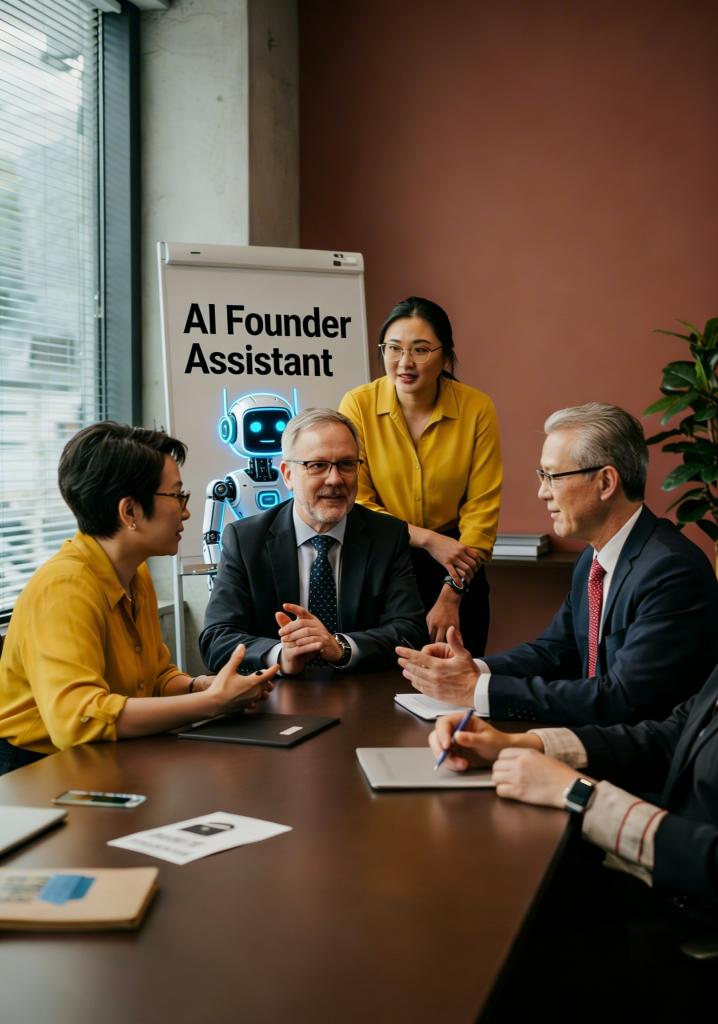
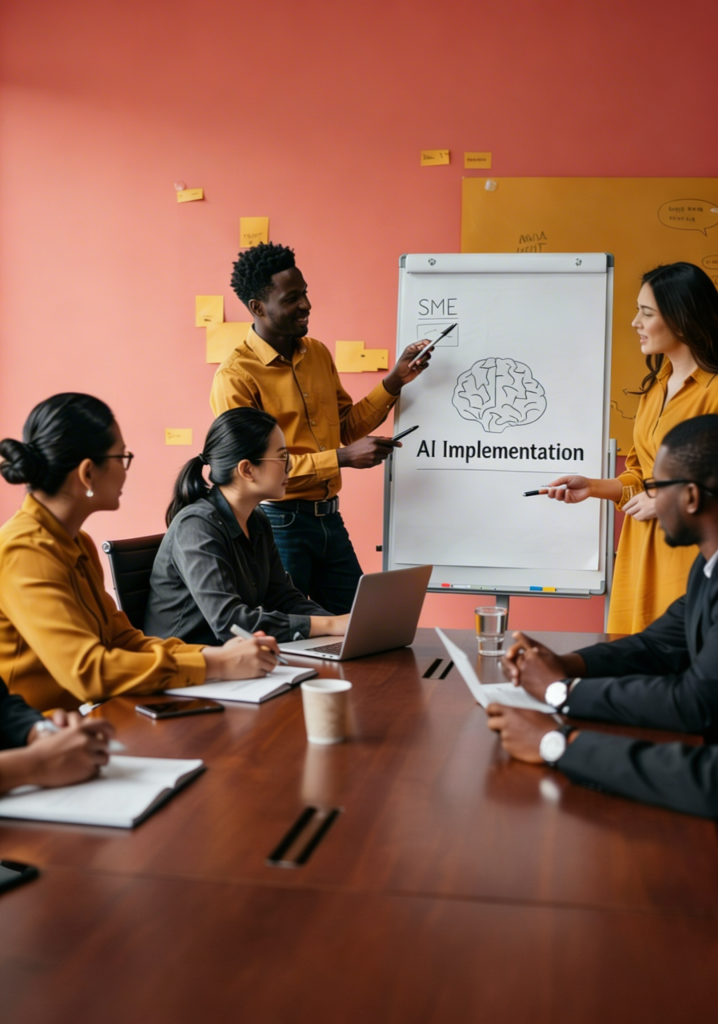
As businesses prepare for a more data-driven future, many leaders are asking how AI decision making for SMEs will evolve in 2026. Strategic decisions are no longer based purely on instinct or experience. Instead, organisations are increasingly relying on intelligent systems to analyse information, identify patterns and guide long-term planning. For small and medium enterprises, this shift presents both an opportunity and a challenge. Understanding how an AI strategy for small businesses fits into daily decision-making is now essential for sustainable growth.


SMEs often operate with limited resources, making every decision more impactful. When used correctly, AI helps reduce uncertainty and improve clarity across planning, prioritisation and execution. This guide explains how SMEs can use AI to strengthen strategic thinking, reduce complexity and prepare confidently for the future.


1. Why strategic decision making is challenging for SMEs today


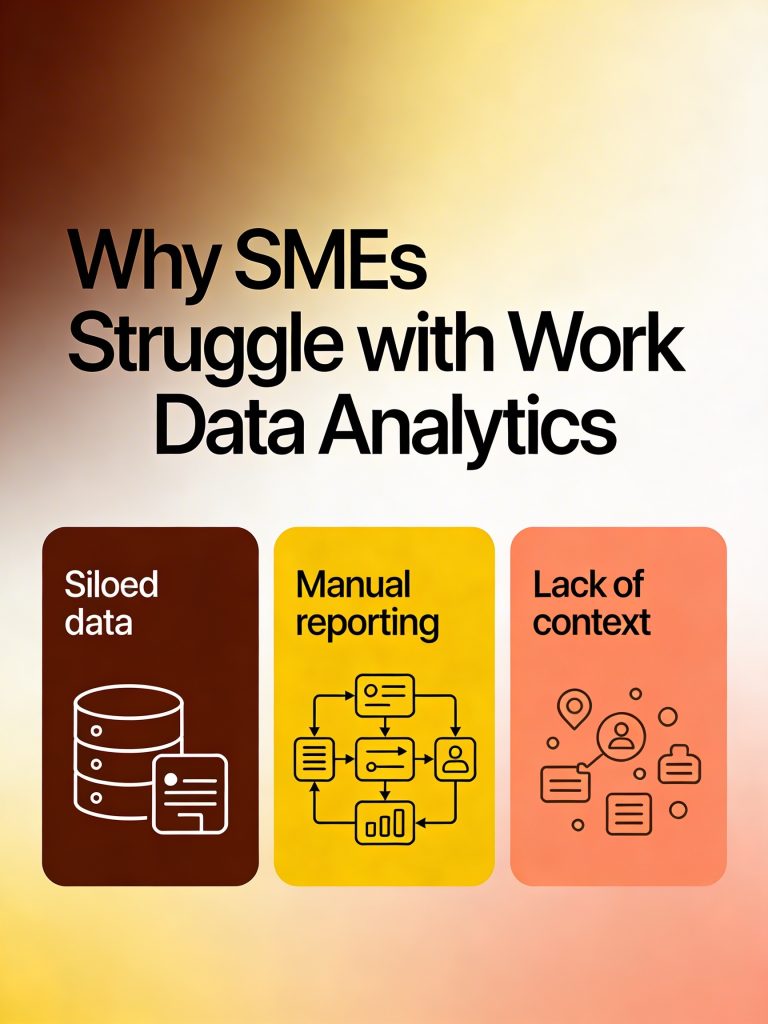
Strategic decision making has always been difficult for SMEs because leaders juggle multiple responsibilities at once. Market uncertainty, limited data visibility and time constraints make it hard to evaluate options objectively. As competition increases, relying solely on manual processes or fragmented information becomes risky.


AI decision making for SMEs addresses this challenge by supporting leaders with structured insights. Instead of reacting to problems after they occur, businesses gain the ability to anticipate outcomes. As 2026 approaches, organisations that fail to modernise their decision processes risk falling behind more agile competitors.


2. What AI decision making for SMEs actually means


AI decision making for SMEs does not replace leadership judgement. Instead, it enhances it. AI systems analyse operational data, workflow patterns and historical trends to surface meaningful recommendations. This allows leaders to make informed decisions faster and with greater confidence.


A strong AI strategy for small businesses focuses on assisting planning rather than automating authority. The real value lies in turning everyday work data into insights that guide priorities. When SMEs understand how SMEs use AI for strategic planning, they begin to see AI as a thinking partner rather than a technical tool.


3. How SMEs can use AI to simplify strategic planning


Strategic planning often fails when goals are unclear or disconnected from daily work. AI helps SMEs break down complex objectives into manageable actions. By analysing tasks, timelines and outcomes, AI reveals where efforts are aligned and where adjustments are needed.


This approach reduces guesswork and creates structure. Leaders can explore scenarios, compare options and plan with more certainty. As AI decision making for SMEs becomes more common, planning shifts from static documents to living, adaptive processes. This is especially valuable for organisations learning how SMEs use AI for strategic planning in fast-changing markets.


4. How AI improves confidence and speed in decision making


One of the biggest benefits of AI is speed without sacrificing quality. SMEs no longer need to manually compile reports or chase information across tools. AI systems consolidate insights and highlight what matters most.


This enables faster responses to challenges and opportunities. As AI strategy for small businesses matures, leaders gain confidence because decisions are supported by evidence rather than assumptions. Over time, this leads to better execution and reduced decision fatigue.


5. How AI supports long term business growth for SMEs


Growth requires consistent, informed decisions. AI helps SMEs track progress, identify trends and adjust strategies before problems escalate. Instead of reacting to performance issues late, businesses gain early visibility.


AI decision making for SMEs also supports scalability. As operations grow, AI maintains clarity by organising information and guiding priorities. This ensures that strategic direction remains intact even as complexity increases. When businesses understand how SMEs use AI for strategic planning, they create stronger foundations for long term success.

How Stratpilot strengthens strategic thinking for SMEs


Stratpilot is designed to support SMEs that want clarity without complexity. It acts as an intelligent planning and decision support assistant, helping teams organise tasks, prioritise goals and make sense of daily work. Rather than overwhelming users with data, Stratpilot structures information into actionable insights that support AI decision making for SMEs.

By simplifying planning workflows and improving visibility, Stratpilot helps leaders focus on what truly matters. Its intelligent features align naturally with an effective AI strategy for small businesses, making strategic thinking more accessible and consistent across teams.

If you are curious to see how strategic clarity could change the way your business plans and decides, requesting a demo might reveal opportunities you did not realise were being missed.

Demo

Frequently Asked Questions

What is AI decision making for SMEs

AI decision making for SMEs refers to using intelligent systems to analyse data, support planning and guide business decisions. It helps leaders make informed choices faster and with greater confidence.

How does AI strategy for small businesses differ from large enterprises

SMEs focus on simplicity, usability and quick value. AI strategy for small businesses prioritises decision support and planning rather than complex automation or heavy infrastructure.

Can AI really improve strategic planning for SMEs

Yes. AI helps structure goals, analyse performance and highlight patterns that are difficult to see manually. This leads to clearer plans and better alignment across teams.

How quickly can SMEs see results from AI driven decisions

Many SMEs notice improvements within weeks, especially in planning clarity and prioritisation. Consistent use strengthens long term strategic outcomes.

Is AI difficult for SMEs to adopt

AI adoption is easier when tools are designed for non-technical users. Platforms like Stratpilot focus on practical use, making AI accessible without disrupting existing workflows.

Taskade vs Stratpilot: AI-Powered Productivity Tools for Businesses

In today’s rapidly evolving business environment, organisations are increasingly relying on AI productivity tools to improve efficiency, collaboration, and decision-making. Choosing the right platform can directly influence how teams operate, prioritise tasks, and execute strategies. This is where the comparison between Taskade vs Stratpilot becomes particularly relevant for modern businesses.


Both Taskade and Stratpilot position themselves as AI-powered productivity platforms designed to support teams in managing work more effectively. However, while Taskade focuses on collaborative task management and simplicity, Stratpilot adopts a more strategic approach by embedding AI-driven insights into everyday business workflows. This blog examines Taskade vs Stratpilot in detail, helping businesses determine which solution best aligns with their operational and strategic goals.

Understanding Taskade

Taskade is a productivity and collaboration platform designed to help teams organise tasks, projects, and ideas within a shared workspace. It supports multiple formats, including task lists, boards, and mind maps, enabling teams to structure work in a way that suits their preferences. This flexibility makes Taskade an appealing option for businesses seeking a lightweight solution for task coordination.


In the Taskade vs Stratpilot comparison, Taskade is often recognised for its straightforward design and ease of use. Teams can collaborate in real time, assign tasks, and track progress without extensive onboarding. Taskade also incorporates AI task management features that assist with task generation and content structuring, helping teams save time during planning stages.


Taskade is well-suited for organisations that prioritise simplicity and collaborative task execution, especially where rapid setup and minimal configuration are important.

Stratpilot: AI-Driven Productivity and Decision-Making

Stratpilot represents a more advanced category within AI-powered productivity tools for businesses. Rather than focusing solely on task execution, Stratpilot is designed to support strategic thinking, prioritisation, and operational decision-making through intelligent AI guidance.


When analysing Taskade vs Stratpilot, a key distinction lies in how AI is applied. Stratpilot provides AI-driven decision-making software capabilities that help businesses interpret information, identify priorities, and act with greater confidence. Its pre-configured workspaces allow teams to adopt structured workflows quickly, without sacrificing flexibility or usability.


Stratpilot combines business productivity software with actionable insights, enabling teams to move beyond task completion and focus on outcomes. This approach is particularly valuable for organisations aiming to scale efficiently while maintaining clarity and alignment across teams.

Pros and Capabilities

Taskade’s Capabilities


In the context of Taskade vs Stratpilot, Taskade offers a set of practical capabilities that support everyday productivity. It provides a flexible workspace for organising tasks and ideas, along with basic collaboration features that allow teams to work together in real time. Taskade’s interface is designed for ease of use, making it accessible for teams seeking a simple AI-powered productivity platform without complex setup requirements.


These capabilities make Taskade suitable for teams that want an uncomplicated tool for task coordination and collaborative work management.


Stratpilot’s Capabilities


Stratpilot builds upon similar foundational capabilities while extending them with AI-powered intelligence. In addition to offering a flexible and user-friendly workspace, Stratpilot enhances productivity through intelligent recommendations and strategic guidance. This makes the Taskade vs Stratpilot comparison particularly relevant for businesses seeking deeper value from AI productivity tools.


Stratpilot supports real-time collaboration while simultaneously providing insights that help teams prioritise work more effectively. Its AI-powered productivity platform is designed to reduce manual effort, improve decision quality, and align daily activities with broader business objectives. This combination of usability and intelligence positions Stratpilot as a strong Taskade alternative for business teams seeking long-term efficiency and growth.

Taskade vs Stratpilot: Feature Comparison for Business Teams

To provide a clearer overview of how both platforms compare in a business context, the table below summarises the key differences between Taskade and Stratpilot.


Capability AreaTaskadeStratpilot
Core FocusTask organisation and team collaborationAI-driven productivity and strategic decision-making
Workspace FlexibilitySupports lists, boards, and mind mapsFlexible workspaces enhanced with AI-powered insights
Ease of UseDesigned for quick setup and simple usageUser-friendly with pre-configured, business-ready workspaces
AI CapabilitiesAssists with task creation and structuringProvides AI-driven recommendations and intelligent guidance
Decision SupportLimited to task-level assistanceStrong focus on AI-driven decision-making software
Team CollaborationReal-time collaboration and task sharingReal-time collaboration combined with strategic insights
Business ScalabilitySuitable for small to mid-sized teamsDesigned to scale across growing and complex organisations
Strategic ValueSupports execution and coordinationAligns daily work with broader business objectives

Why AI-Powered Productivity Matters Today

As businesses navigate increasing complexity and competitive pressure, relying solely on traditional team collaboration tools can limit efficiency and responsiveness. AI-powered productivity tools for businesses play a critical role in helping organisations analyse information, optimise workflows, and make informed decisions in real time.


Within the Taskade vs Stratpilot discussion, this distinction becomes clear. While both platforms support collaboration, Stratpilot places greater emphasis on using AI to guide decisions and improve outcomes. By embedding intelligence into everyday workflows, businesses can move faster, reduce errors, and respond proactively to change.

Challenges Without Advanced AI Solutions

Organisations that lack AI-driven productivity tools often face challenges such as fragmented workflows, delayed decision-making, and increased reliance on manual processes. Without AI-powered insights, teams may struggle to identify priorities or respond effectively to emerging risks and opportunities.


In the Taskade vs Stratpilot comparison, Stratpilot addresses these challenges by integrating AI task management with strategic guidance. This ensures teams are not only completing tasks but also understanding which actions will deliver the greatest impact.

Addressing Business Needs with Stratpilot


Stratpilot is designed to help businesses operate with clarity, efficiency, and confidence. By combining team collaboration tools with AI-driven decision-making software, Stratpilot enables organisations to streamline operations and align efforts across teams.

As a Taskade alternative for business teams, Stratpilot offers a more holistic approach to productivity. Its AI-powered productivity platform supports informed decision-making, reduces operational friction, and helps businesses remain agile in a changing market. For organisations seeking more than task management, Stratpilot provides a structured yet flexible solution that evolves with their needs.

Conclusion


When evaluating Taskade vs Stratpilot, the right choice depends on business priorities. Taskade offers a straightforward, collaborative environment for managing tasks and projects. Stratpilot, on the other hand, extends productivity by embedding AI-driven insights that support smarter decisions and long-term growth.

For businesses looking to leverage AI productivity tools not just for execution but for strategy and efficiency, Stratpilot delivers a compelling, future-ready solution.

Ready to enhance your productivity with intelligent AI support? Explore how Stratpilot can help your organisation work smarter, make better decisions, and achieve sustainable growth.

Request a demo today.

Demo

Frequently Asked Questions (FAQs)

How does Stratpilot differ from Taskade?

In the Taskade vs Stratpilot comparison, Stratpilot stands out by offering AI-driven insights and strategic guidance, helping businesses make informed decisions beyond task management.

Is Stratpilot suitable for businesses of all sizes?

Yes. Stratpilot is designed to scale and supports startups, growing businesses, and enterprises seeking AI-powered productivity tools for businesses.

Can Stratpilot replace traditional team collaboration tools?

Stratpilot complements and enhances collaboration by integrating AI task management with intelligent guidance, reducing reliance on multiple disconnected tools.

Why are AI-powered productivity platforms important today?

AI-powered productivity platforms help businesses improve efficiency, reduce manual effort, and enable data-informed decision-making in an increasingly competitive environment.

Optimising Content for AI Search Engines to Stay Visible in 2026

As AI driven search experiences become mainstream, businesses are rethinking how their digital content is discovered, understood and prioritised. Content for AI search engines is no longer judged only by keywords and backlinks. Instead, it is evaluated by context, clarity, and usefulness. As we approach 2026, organisations must understand how AI systems interpret information and how AI content indexing influences visibility across search platforms and large language models.


For SaaS companies in particular, adapting early is critical. Search behavior is changing rapidly, and brands that fail to align their content strategy risk losing visibility even if their products are strong. Understanding how content for AI search engines is processed allows teams to build sustainable, future ready content foundations.

Understanding how AI search engines interpret content in 2026

AI search engines rely on advanced language models that interpret meaning rather than scanning pages for exact matches. This shift changes how content is ranked and surfaced. AI content indexing focuses on intent, topical depth and how well a piece of content answers real user questions.


Unlike traditional search systems, AI models connect ideas across paragraphs and pages. This means fragmented or shallow content performs poorly. Businesses creating content for AI search engines must ensure their material explains concepts fully and uses natural language patterns that mirror how people ask questions.


For SaaS brands, this creates an opportunity to demonstrate expertise. When content aligns with how AI content indexing works, it is more likely to appear in summaries, citations and AI generated answers.

Why traditional SEO alone is no longer enough

Traditional SEO practices still matter, but they are no longer sufficient on their own. Keyword placement without context does little to improve AI visibility. Content for AI search engines must show structure, reasoning and relevance throughout the page.


AI content indexing systems prioritise clarity over density. Pages that clearly explain problems, solutions and outcomes perform better than those focused purely on optimisation tactics. This is especially important as AI powered search results become the primary interface for users in 2026.

SaaS companies that rely solely on legacy SEO approaches may find their traffic declining even if rankings appear stable. This shift makes it essential to rethink how content is created, reviewed and updated.

Preparing your content for AI search engines in 2026

Optimising content for AI search engines in 2026 requires a deliberate shift in how content is planned and structured. Content for AI search engines must help AI systems understand relationships between ideas while delivering clear value to readers. The following steps outline how organisations can align with how AI content indexing works.


1. Structure content around clear questions and outcomes


AI search engines prioritise content that answers real user questions directly. Each section should focus on one idea and explain it fully. This makes it easier for AI content indexing systems to extract meaning and surface relevant insights.


2. Use natural language and semantic clarity


AI models assess how naturally information flows rather than how often a phrase appears. Writing in a conversational yet professional tone improves how content for AI search engines is interpreted and reused in AI generated responses.


3. Build depth rather than surface coverage


Shallow explanations are less likely to be prioritised. Content for AI search engines should explore topics in depth, explaining what something is, why it matters and how it works. This depth strengthens authority within AI content indexing systems.


4. Maintain strong internal topic relationships


AI systems analyse how content connects across a website. Linking related topics and using consistent terminology improves how AI content indexing understands subject expertise, especially for SaaS brands building long term authority.


5. Keep content current and contextually relevant


AI search engines favour content that reflects up to date understanding. Regularly updating language, examples and strategic references ensures content for AI search engines remains aligned with evolving AI content indexing expectations.


6. Align content execution with scalable workflows


Consistent optimisation requires repeatable processes. Teams that systemise planning, review and updates are better positioned to maintain clarity and relevance as AI search evolves.

How AI content indexing changes content structure

AI content indexing rewards well organised information. Clear headings, logical progression and consistent terminology help AI systems understand the full scope of a topic. Content for AI search engines should follow a natural learning flow rather than promotional sequencing.


Each section should build on the previous one. Repetition without value can confuse AI models, while well explained concepts reinforce authority. For SaaS teams, this means investing more time in planning content architecture before publishing.


When AI content indexing recognises strong topical coverage, the content becomes more likely to appear in AI summaries and recommendations.

Decision making benefits of AI optimised content

Optimising content for AI search engines is not only about visibility. It also improves internal clarity. Teams that structure content properly develop a better understanding of their own messaging, positioning and value proposition.


This clarity supports strategic decision making. When content reflects real customer questions and accurate explanations, it becomes a strategic asset. SaaS leaders can use this content to align marketing, sales and product teams around consistent narratives.


As AI content indexing becomes more advanced, content that demonstrates strategic depth will outperform generic material.

Building scalable content systems for AI search

Scalability is essential for SaaS growth. Content for AI search engines should be built in a way that supports reuse, updating and expansion. Modular content structures help teams refresh information without rewriting everything from scratch.


AI content indexing favours freshness combined with consistency. This means updating existing content thoughtfully rather than publishing disconnected articles. Over time, this approach builds topical authority and improves AI driven visibility.


SaaS organisations that adopt scalable content systems are better positioned to respond to algorithm changes and evolving user expectations.

How Stratpilot strengthens AI ready content workflows

For SaaS teams preparing for 2026, managing content strategy manually becomes increasingly difficult. Stratpilot supports smarter planning by helping teams organise tasks, workflows and priorities in one place.


By improving coordination and visibility, Stratpilot enables teams to maintain consistent content for AI search engines without operational friction. It supports structured execution, which aligns naturally with how AI content indexing systems evaluate clarity and completeness.

Teams using Stratpilot can focus on producing high quality, strategically aligned content rather than managing scattered processes. This creates stronger foundations for long term AI search visibility.

Request a demo to see how smarter planning can transform your content strategy before your competitors adapt.

Demo

Frequently Asked Questions

What makes content suitable for AI search engines

Content for AI search engines must be clear, structured and context rich. AI systems prioritise meaning, intent and usefulness over keyword repetition.

How does AI content indexing differ from traditional indexing

AI content indexing analyses relationships between ideas and evaluates how well content answers questions, rather than relying only on keywords and links.

Why should SaaS companies adapt content strategies now

As AI search becomes dominant in 2026, early adopters gain visibility advantages while others struggle to catch up.

Can existing content be optimised for AI search engines

Yes, existing content can be improved by enhancing structure, clarity and topical depth to align with AI content indexing requirements.

How does Stratpilot help with AI focused content planning

Stratpilot helps SaaS teams organise workflows, maintain consistency and execute content strategies that support long term AI search visibility.

AI Decision Making for SMEs and Its Role in Strategic Planning

As businesses transition into a more data-driven era, AI decision making for SMEs is becoming a critical capability rather than a future aspiration. Small and medium enterprises are increasingly exploring how AI driven strategic planning can simplify complex decisions, reduce uncertainty and support sustainable growth. In 2026, decision-making will no longer rely only on experience or intuition. Instead, SMEs that adopt AI thoughtfully will gain clarity, speed and confidence in planning and execution.

How SMEs can use AI to simplify decisions and planning

AI decision making for SMEs focuses on using intelligent systems to analyse information, identify patterns and recommend actions. When combined with AI driven strategic planning, it allows business leaders to move away from fragmented data and manual analysis. Instead of reacting to problems, SMEs can proactively plan with insights generated from real operational data.


AI systems help decision makers prioritise tasks, forecast outcomes, and evaluate scenarios in real time. This makes planning more structured and less dependent on guesswork. As organisations prepare for 2026, AI decision making for SMEs will play a central role in improving accuracy and reducing delays in strategic initiatives.

Why AI decision making for SMEs is gaining momentum

The growing complexity of markets has made traditional planning methods less effective. SMEs face limited resources, tight margins and rapidly changing customer expectations. AI decision making for SMEs addresses these challenges by automating analysis and providing actionable insights that are easy to interpret. AI driven strategic planning supports leaders in identifying what matters most and where to allocate effort.


Businesses that understand how SMEs use AI for strategic decisions often realise that AI does not replace leadership judgement. Instead, it strengthens it by offering clarity and consistency. With AI adoption increasing across industries, SMEs that act early are better positioned to compete with larger organisations that already rely on advanced analytics.

How AI improves clarity in strategic planning

Strategic planning becomes difficult when information is scattered across systems or trapped in spreadsheets. AI decision making for SMEs centralises data and transforms it into meaningful insights. AI driven strategic planning helps teams understand dependencies, timelines and risks without spending hours compiling reports.


By using AI, SMEs gain visibility into progress and performance. Leaders can quickly identify bottlenecks and adjust plans accordingly. This approach supports faster alignment across teams and reduces friction caused by miscommunication. As planning cycles shorten in 2026, clarity will be a key differentiator for high-performing SMEs.

Using AI to reduce uncertainty and bias

Human decision-making is often influenced by assumptions and incomplete information. AI decision making for SMEs introduces consistency by analysing historical and real-time data objectively. AI driven strategic planning reduces bias by highlighting trends that might otherwise be overlooked.


When businesses explore how SMEs use AI for strategic decisions, they often find that AI helps validate choices rather than dictate them. Leaders remain in control while AI provides evidence-based recommendations. This balance improves confidence and helps SMEs commit to long-term strategies with greater assurance.

How AI supports operational and strategic alignment

One of the biggest challenges for SMEs is aligning daily operations with long-term goals. AI decision making for SMEs bridges this gap by connecting tasks, workflows and outcomes. AI driven strategic planning ensures that operational decisions support broader business objectives.


AI tools continuously monitor progress and flag deviations from plans. This allows SMEs to respond quickly and maintain alignment even as priorities change. In 2026, businesses that align execution with strategy using AI will adapt faster and waste fewer resources.

The role of AI in scaling SME decision frameworks

As SMEs grow, decision-making becomes more complex. What worked for a small team may not scale effectively. AI decision making for SMEs provides a structured framework that grows with the business. AI driven strategic planning adapts to increased data volume and operational complexity without adding administrative burden.


Understanding how SMEs use AI for strategic decisions highlights the value of scalable systems. AI enables consistent decision-making across departments, reducing dependency on individuals and improving continuity as teams expand.

How Stratpilot enables smarter AI driven decisions

Stratpilot is designed to help SMEs simplify decision-making and planning without overwhelming teams. By combining intelligent task management, automated workflows and planning insights, Stratpilot supports AI decision making for SMEs in a practical and accessible way. Businesses can manage priorities, track progress and plan strategically from a single platform.


Stratpilot strengthens AI driven strategic planning by bringing structure to daily operations. Leaders gain a clear overview of tasks, dependencies and outcomes, enabling faster and more informed decisions. Instead of reacting to challenges, SMEs can plan confidently and execute with clarity as they move toward 2026.


Stratpilot also helps businesses understand how SMEs use AI for strategic decisions by embedding intelligence directly into workflows. This approach reduces complexity and makes AI adoption achievable for teams at any stage of growth.


Request a demo to see how clearer decisions could change your planning approach.

Frequently asked questions


1. How does AI decision making for SMEs differ from traditional planning


AI decision making for SMEs relies on real-time data analysis and intelligent recommendations rather than manual reporting. This makes planning faster, more accurate and easier to adapt.


2. Can AI driven strategic planning work for small teams


Yes, AI driven strategic planning is especially valuable for small teams because it reduces manual effort and supports better prioritisation without requiring large resources.


3. Is AI decision making for SMEs difficult to implement


Modern platforms are designed to be user-friendly. With the right tools, SMEs can adopt AI gradually without disrupting existing workflows.


4. How does AI help reduce planning risks


AI analyses patterns and trends to highlight potential risks early. This allows SMEs to adjust strategies before issues escalate.

Preparing for AI Adoption for SMEs in 2026

As we move closer to a new digital frontier, the discussion around AI adoption for SMEs has never been more important. Many small and medium enterprises want to understand how AI adoption in 2026 will influence business growth, improve efficiency and open new opportunities for innovation. This guide is designed to provide clarity on the readiness steps, considerations and pathways SMEs can take to prepare confidently. As the pace of technological change accelerates, organisations need structured strategies that reduce uncertainty and help them build a foundation for long term AI transformation. This is where the conversation around the steps to prepare SMEs for AI transformation becomes essential.

What is AI Adoption for SMEs

AI adoption for SMEs refers to the process where small and medium enterprises integrate artificial intelligence tools, technologies and workflows into their business operations. It includes implementing automation, data driven decision making, machine learning powered insights and intelligent planning systems to improve efficiency and support growth. For SMEs, AI adoption is not about replacing employees but enhancing their ability to work smarter, reduce manual workload and achieve better accuracy in everyday tasks. As AI adoption in 2026 continues to expand across industries, SMEs that prepare early can unlock stronger competitiveness and create long term strategic advantages.

Getting Your SME Ready for AI Integration in 2026

1. Understanding the growing importance of AI adoption for SMEs


The interest in AI adoption for SMEs has grown significantly because companies are beginning to recognise its potential beyond automation. Leaders want to understand not only how AI adoption in 2026 will influence industries but also how it will drive new ways of working. SMEs are realising that AI readiness is no longer an optional advantage, but a fundamental requirement to remain competitive. When organisations begin exploring the steps to prepare SMEs for AI transformation, they often uncover opportunities to improve decision making, streamline operations and achieve more predictable outcomes.


Many businesses still operate with traditional systems or manual workflows. These setups limit their ability to scale, respond to demand and innovate quickly. That is why AI adoption for SMEs is becoming a core part of digital roadmaps across sectors. By preparing early, small and medium-sized enterprises can unlock growth while large-scale AI trends reshape customer expectations and market behaviour. Understanding these shifts is especially important as AI adoption in 2026 moves from exploration to implementation across industries.


2. Assessing readiness levels for AI adoption for SMEs


A successful plan begins with a readiness assessment. This helps SMEs understand their current capabilities and identify the gaps that need improvement. Leaders who invest time in evaluating where they stand today are better positioned to make informed choices as AI adoption in 2026 accelerates. Readiness involves looking at data quality, team capabilities, workflow maturity and the overall openness of the company to technological change.


Businesses that follow the steps to prepare SMEs for AI transformation typically start by asking key questions. These include understanding whether data is accessible, if training is required for teams and whether decision makers are aligned on AI goals. When these foundational elements are clear, organisations can move forward with greater confidence.


Companies also need to understand that AI adoption for SMEs is not just about technology. It requires a cultural shift that empowers employees rather than replacing them. AI assists workers, improves productivity and removes repetitive tasks so that teams can focus on strategic work. This shift is central to the broader changes expected with AI adoption in 2026.


3. Creating a strategic roadmap for AI adoption for SMEs


Once readiness is understood, SMEs must create a structured implementation roadmap. A roadmap ensures that the organisation does not move randomly from one idea to another but instead builds AI capabilities step by step. This approach is vital as the pressure for AI adoption in 2026 increases and businesses face growing competition from technology enabled companies.


Organisations can start by identifying priority areas where AI may create measurable improvements. These could be related to customer service, operations, task management or workflow automation. When the steps to prepare SMEs for AI transformation are planned clearly, businesses find it easier to align internal teams with long term goals. A roadmap also makes budgeting, risk assessment and timeline planning simpler.


Many SMEs hesitate due to uncertainty, but the most successful companies move forward in small controlled phases. This ensures they gain quick wins while reducing the risk of disruption. Whether the business aims to improve team productivity or automate routine processes, the strategy must support sustainable growth.


4. The impact of AI adoption for SMEs on productivity and decision making


One of the strongest reasons SMEs are accelerating their plans is the significant impact AI has on productivity. With AI adoption for SMEs becoming widespread, teams can automate manual workloads and reduce time spent on repetitive tasks. This leads to faster execution and higher accuracy. Companies that start preparing today will be well aligned with the wider technology expectations that come with AI adoption in 2026.


Decision-making improves when structured AI tools help analyse data and recommend actions. SMEs often operate with limited human resources, so reducing administrative workload becomes essential. Once the steps to prepare SMEs for AI transformation are followed consistently, organisations find they can allocate more time to customer engagement, innovation and strategic planning.


AI systems also support forecasting, workflow visibility and team alignment. These improvements provide a strong foundation for both operational efficiency and long term business stability. Since SMEs often face tighter budgets compared to large enterprises, even minor productivity gains can lead to meaningful financial outcomes.


5. Ensuring responsible and secure AI adoption for SMEs


AI technology introduces new responsibilities, especially related to governance, security and ethical use. As AI adoption for SMEs grows, organisations must ensure their data handling, privacy practices and automation methods remain transparent and safe. These considerations are more important than ever as the world prepares for AI adoption in 2026 and regulatory standards continue to evolve.


Responsible usage requires SMEs to establish guidelines around how AI tools are selected, trained and monitored. This helps eliminate biases, improve trust and protect customer information. Following the steps to prepare SMEs for AI transformation also helps reduce any risks associated with unintended consequences.


Additionally, SMEs need to ensure they choose tools that offer enterprise grade protection. Responsible AI implementation not only safeguards the organisation but strengthens customer confidence, which is critical for long term growth.

A strategic view on how Stratpilot supports SME AI readiness


Stratpilot provides a clear advantage for SMEs aiming to prepare for AI adoption in 2026. Rather than overwhelming teams with complex interfaces or heavy learning curves, Stratpilot simplifies the process with automated task management, workflow optimisation and intelligent planning features. These capabilities align naturally with the rising demand for AI adoption for SMEs, offering a practical starting point for businesses of any size.

The platform transforms daily operations by helping teams manage tasks smartly, automate recurring responsibilities and plan business processes with accuracy. Organisations exploring the steps to prepare SMEs for AI transformation will find that Stratpilot acts as a supportive digital partner. It consolidates information, eliminates miscommunication and gives leaders an organised way to accelerate AI readiness with minimal disruptions.

Stratpilot is especially valuable for SMEs that want to scale without excessive hiring or operational complexity. By using intelligent planning and structured workflows, businesses build consistency into their operations. This creates stronger foundations and helps them align easily with the evolving expectations of AI adoption in 2026.

Request for a demo to explore what your business is missing.

Demo

Frequently Asked Questions

Why is AI adoption for SMEs becoming essential

AI adoption for SMEs is becoming essential because competition is increasing across all industries and customers expect faster services. With AI adoption in 2026 becoming more widespread, organisations that prepare early gain higher productivity, better accuracy and more confident decision making.

How can SMEs start preparing for AI adoption

SMEs can start preparing by assessing readiness, improving data quality and creating a clear AI roadmap. When organisations plan the steps to prepare SMEs for AI transformation, they experience smoother implementation and faster returns.

What are the common challenges in AI adoption for SMEs

The common challenges include limited budgets, lack of technical expertise and uncertainty about best practices. As AI adoption in 2026 grows, SMEs must choose tools that are easy to use, secure and capable of delivering clear outcomes.

How soon can SMEs expect results from AI implementation

Many SMEs start seeing measurable improvements within a few months. When AI adoption for SMEs is approached with proper planning, teams experience increased efficiency, reduced workload and stronger output quality.

Can AI help SMEs scale their business effectively

Yes, AI helps SMEs scale efficiently by supporting automation, planning and accurate forecasting. As businesses align with AI adoption in 2026, they become more adaptable and capable of growing without unnecessary operational complexity.

AI for Team Communication to Help SMEs Reduce Email Overload

As SMEs move through 2026, teams are becoming increasingly overwhelmed by constant email threads, scattered updates and slow response loops. Many organisations are now adopting AI for team communication to replace outdated manual processes and give employees a faster and clearer way to collaborate. With powerful AI tools for SMEs evolving rapidly, companies can finally reduce inbox clutter, streamline daily workflows and keep projects moving without unnecessary delays.

Why SMEs Face Email Overload Today

Email was originally created as a basic communication method but for many SMEs it has turned into one of the biggest workflow problems. Teams often depend on endless email chains for updates, approvals, files, tasks and decisions. This results in missed messages, slow approvals, confusion across departments, duplicated work and poor visibility of priorities. As a result, more organisations are shifting toward AI for team communication to simplify collaboration using structured workflows and automated clarity. AI tools for SMEs help teams eliminate inbox noise by delivering faster updates and better organisation.

How AI for Team Communication Solves Email Overload

1. Centralising Conversations Into One Workspace


Instead of jumping between multiple email threads, AI for team communication collects all conversations within one shared workspace. Teams can easily track messages by topic rather than by time. This eliminates lost updates and reduces inbox noise. AI tools for SMEs add intelligent categorisation that makes it simple to locate decisions, tasks and documents instantly.


2. Automatically Summarising Long Email Threads


AI for team communication can summarise any long email chain within seconds. Teams no longer need to scroll through dozens of messages to identify conclusions. AI summarisation highlights key actions, responsibilities, deadlines and pending approvals. AI tools for SMEs include built in summarisation so teams save hours each week and reduce the risk of missing critical information.


3. Turning Conversations Into Tasks Automatically


Emails often become conversations without clear owners. With AI for team communication, messages that include action phrasing are automatically transformed into tasks assigned to the right person. This ensures nothing is forgotten, responsibilities stay visible and progress becomes easy to track. Modern AI tools for SMEs can detect phrases like please update or can you complete this and convert them into organised tasks.


4. Intelligent Notifications That Reduce Clutter


Instead of generating notification overload, AI for team communication sends alerts only when they are necessary. Notifications become priority based and contextual so teams avoid daily interruptions. AI tools for SMEs learn user habits and deliver fewer but more meaningful updates which helps teams stay focused.


5. AI Assisted Document Sharing and Version Control


Sharing documents through email leads to confusion, duplication and lost versions. With AI for team communication, files are stored in one central location with automatic versioning, smart tagging, access history and instant retrieval. This level of clarity makes AI tools for SMEs essential for operational teams, project teams and administrative staff.


6. Automated Meeting Notes and Action Lists


Meetings often lead to more emails to share summaries and tasks. AI for team communication generates meeting notes, action lists, assigned responsibilities and timelines automatically. This allows teams to move directly from discussion to execution. These collaboration features continue to evolve across leading AI tools for SMEs.


7. Chat Based Workflows Instead of Email Threads


Many SMEs are shifting from email toward real time chat supported by AI. AI powered chat tools can suggest replies, detect urgency, summarise conversations, highlight blockers and recommend next steps. This accelerates collaboration significantly. When combined with AI tools for SMEs, chat based workflows remove communication delays and improve internal alignment.

Why AI for Team Communication Matters for SME Productivity

The average SME employee spends more than two hours each day reading and replying to email. AI for team communication reduces this dramatically by improving clarity, reducing repetitive tasks and cutting unnecessary back and forth exchanges. This leads to faster decisions, better accountability, improved morale and stronger team culture. AI tools for SMEs also ensure that fewer tasks fall through the cracks and that teams work in a more structured and organised environment.

StrengtheninSME Communication Workflows with Stratpilot


Stratpilot provides an AI powered workspace designed specifically for SMEs that want to reduce email overload and strengthen collaboration. Instead of relying on scattered emails, Stratpilot centralises ideas, tasks, teams, documents and planning into one structured platform. With Stratpilot, SMEs can create organised team spaces, turn updates into tasks instantly, use AI for team communication to manage workflows, generate meeting summaries, reduce clutter with smarter alerts and improve team alignment. Stratpilot supports strategic clarity by helping teams think, plan and execute more effectively. It acts as a clarity engine rather than just another tool.

Request a demo today and see how fast your team’s communication can transform.

Demo

Frequently Asked Questions

How does AI for team communication reduce email overload

AI summarises conversations, centralises information and highlights important updates which reduces the need for extended email threads.

Are AI tools for SMEs difficult to adopt
  1. Most AI tools for SMEs are designed with simple interfaces, automation features and organised workspaces that teams can begin using immediately.
Can AI replace email entirely

Not fully but AI for team communication reduces reliance on email by providing structured task management and centralised information.

Will AI help small teams as much as large organisations

AI tools for SMEs are specifically created to support small teams that have limited time, budget and operational capacity.

How is Stratpilot different from other communication tools

Stratpilot provides structured thinking, AI assisted planning and an organised workspace that improves clarity, reduces confusion and strengthens team communication.

Top AI Prompts for Design Thinking in 2026

As 2026 approaches, small and medium-sized enterprises are navigating rapid shifts in customer expectations, digital innovation, and competitive pressure. Design Thinking continues to be one of the strongest frameworks for helping organisations understand users, solve complex challenges, and generate meaningful ideas. Yet, many SMEs struggle to apply this framework consistently because it typically requires time, facilitation, and creativity. This is where structured prompting becomes invaluable. When SMEs utilise AI Prompts for Design Thinking, they can transform scattered ideas into clear insights, problems into opportunities, and concepts into actionable plans.

Why AI Fits Naturally into Design Thinking for SMEs

Design Thinking encourages teams to empathise with users, define real problems, generate ideas, build concepts, and test solutions. AI accelerates each stage by reducing ambiguity and providing structured outputs in minutes rather than days. Instead of relying on guesswork or lengthy workshops, SMEs can use prompts to support team discussions, spark creativity, and set clearer goals. With a consistent prompting workflow, decision-making becomes more confident, innovation becomes more strategic, and teams gain a reliable method for developing better solutions.

AI Prompts for Design Thinking in 2026


1. User Insight and Empathy Prompt


Prompt Template: “Analyse the following user description and generate three detailed user personas, including their goals, frustrations, behaviours and context. User description: [insert details].”


Example Output: A user persona may represent a business owner who is overwhelmed by day-to-day operations and looking for simpler workflows. Another person might reflect an operations manager focused on accuracy and compliance. A third person may describe an administrative employee who needs clarity, guidance and confidence when using digital tools.


Why This Is Useful: Most SMEs make assumptions about their customers. This prompt quickly transforms scattered observations into well-defined personas that support planning, team alignment and goal clarity. Using a prompt at this stage ensures that early decisions are grounded in real needs rather than assumptions.


2. Problem Framing Prompt


Prompt Template: “Given these user personas and observations, craft three problem statements using the ‘How Might We’ structure. Ensure each one reflects a real user challenge and highlights opportunities for innovation.”


Example Output: A problem statement may focus on helping business owners reduce manual work without adding complexity. Another may explore how operations managers could manage compliance more efficiently. A third might aim to empower administrative staff with better guidance to prevent confusion and reduce task errors.


Why This Is Useful: SMEs often jump straight to solutions. This prompt forces teams to pause and frame the right problem first, reducing wasted effort and enabling a more strategic goal setting for the next phases of the project.


3. Ideation Prompt


Prompt Template: “Using these problem statements, generate ten practical and creative ideas, grouped into low-effort concepts, medium-effort concepts and high-impact opportunities suitable for an SME.”


Example Output: Suggested ideas could include simple guided checklists or tooltip systems for low-effort improvements. Moderately complex ideas might include workflow templates or review dashboards, while more ambitious concepts could involve an AI-supported workspace or intelligent decision assistance for operations.


Why This Is Useful: Teams frequently struggle to move beyond obvious ideas. This prompt helps SMEs expand their thinking while staying realistic about effort and feasibility, which strengthens planning and reduces the likelihood of ideas stalling later.


4. Solution Mapping Prompt


Prompt Template: “Choose the strongest idea and develop a solution concept that includes the user flow, required features, benefits for the user and essential limitations or constraints.”


Example Output: A concept may describe the flow of a user creating a workflow, receiving AI-generated suggestions, customising that workflow, and activating automations. The idea might include features such as suggestion panels, notification reminders, and simple condition triggers. The benefits would involve reduced manual effort and improved clarity, while constraints would note the need for precise access permissions and reliable data input.


Why This Is Useful: This prompt transforms loose ideas into defined concepts. For SMEs that lack product teams or technical designers, it provides a structured way to consider feasibility and refine a solution before investing in development or resources.


5. Rapid Prototyping Prompt


Prompt Template: “Describe a low-fidelity prototype for the selected solution, including the layout for core screens, expected interactions and key usability principles.”


Example Output: A prototype description may include an initial dashboard with a list of workflows and a clear action button for creating new ones. The next screen may detail a step-by-step setup panel with prompt suggestions and editable entries. A final screen could summarise the workflow and offer toggles, alerts and editing options. The focus would remain on minimal steps, clarity of navigation, and intuitive interactions.


Why This Is Useful: Not all SMEs have the skills or capacity to produce early prototypes. This prompt gives teams a structured starting point, making it possible to visualise concepts, discuss changes, and gather internal feedback early in the process.


6. User Testing and Feedback Prompt


Prompt Template: “Prepare a usability testing outline for this prototype, including test scenarios, user questions, measurable performance indicators and criteria for determining whether the prototype succeeds.”


Example Output: A test plan may ask users to complete a workflow setup while noting any confusion or hesitation. Observers may ask what users expected to happen at each step or which parts felt unclear. Performance could be measured through task completion time, the number of errors, or moments of hesitation. Success may be defined by users completing the task within a reasonable timeframe while understanding each step without major confusion.


Why This Is Useful: Feedback often arrives too late in SME projects. This prompt introduces a simple and repeatable way to gather evidence before committing to development or a long-term plan, helping teams refine ideas with accuracy rather than intuition.

How SMEs Can Set Better Goals Using These Prompts

Each stage of Design Thinking can be turned into a structured team objective. For example, teams can aim to generate personas and problem statements in the first week, produce ideas and concepts the following week, create early prototype descriptions shortly after, and finalise a testing plan by the end of the month. The use of AI Prompts for Design Thinking creates natural milestones that guide teams, reduce uncertainty, and build consistent momentum toward meaningful outcomes.

Supporting Design Thinking Workflows with Stratpilot

Stratpilot provides a dedicated AI-supported workspace designed to help SMEs organise planning, structure ideas, and apply consistent thinking frameworks. Instead of offering automated design work, Stratpilot focuses on supporting teams with the clarity, structure and thinking guidance they need to make Design Thinking repeatable. Businesses can use Stratpilot to store persona documents, refine prompts, organise research notes, manage idea lists, develop concept summaries, and outline testing plans. The platform features support planning, organisation and alignment, helping teams move from ideas to action while staying focused on objectives.


If your organisation wants to strengthen its planning, improve creative problem-solving and bring more structure to every stage of Design Thinking, Stratpilot offers a dedicated workspace designed to support clearer thinking and more organised decision-making. Request a demo today to explore how Stratpilot can help your team work more strategically, refine ideas with greater confidence and move from concepts to action with far more clarity.

Frequently Asked Questions (FAQs)


1. What are AI prompts for Design Thinking?


These are structured instructions that guide AI to generate insights, ideas, prototypes, and problem definitions in alignment with the Design Thinking methodology.


2. Are these prompts suitable for SMEs without design specialists?


Yes. The prompts simplify each phase, making Design Thinking accessible to teams that may not have design expertise or dedicated innovation departments.


3. Can teams use these prompts for non-technical projects?


absolutely. Any business challenge involving customers, workflows, processes or improvements can benefit from structured Design Thinking prompts.


4. How often should SMEs use these prompts?


Teams can apply them during project planning cycles, innovation sprints, quarterly reviews, or whenever new challenges arise that require creative thinking.

6 Best AI Prompts for Creative Ideas in 2026

As 2026 approaches, SMEs are facing rapid changes across markets, customer behaviour, digital expectations, and competitive landscapes. Creativity is no longer a luxury. It is a requirement for building products, improving customer experience, and staying ahead. However, generating consistent, high-quality ideas is a challenge for many small and medium-sized businesses. This is where structured, intentional prompting becomes a powerful way to unlock new thinking. Many SMEs are now using AI Prompts for Creative Ideas to help teams produce better concepts, make faster decisions, and strengthen internal collaboration.


AI can support business teams by acting as a creative partner. With the right prompt structure, SMEs can explore new strategies, analyse opportunities, and generate ideas that align with their goals. Below are six powerful AI prompts that SMEs can use for ideation, innovation, and internal goal alignment in 2026, each designed with clarity, relevance, and practical output.


Before diving into the prompts, here’s why using AI for creative exploration makes sense for SMEs. AI helps teams articulate their goals more clearly because it forces businesses to think about their challenges in detail. It also ensures consistency, reducing the common issue of unclear or misaligned ideas. Finally, it saves time by accelerating the brainstorming stage, allowing teams to move faster from concept to action.

Why AI Prompts Help SMEs with Creative Ideas and Goal Setting

Small and medium-sized enterprises often face limited resources, time constraints, and the ongoing pressure to adapt quickly in a competitive landscape. This makes structured ideation essential. AI prompts support SMEs by guiding teams to think more clearly and systematically about what they want to achieve. Instead of relying solely on spontaneous brainstorming, AI brings consistency, structure and direction to the creative process. It helps teams break down vague ambitions into actionable insights, making it easier to define meaningful priorities. By using AI prompts, SMEs can accelerate their creative thinking, explore opportunities they may have overlooked, and establish a stronger sense of clarity when aligning ideas with upcoming business goals.

AI Prompts for Creative Ideas

Below is a curated list of powerful prompts designed specifically to help SMEs generate actionable and high-value creative ideas. Each prompt is structured to encourage deeper thinking, spark innovative discussion, and support teams in forming clearer goals for the year ahead.


1. Market Innovation Brainstorm Prompt


Prompt Template: Generate five innovative business ideas for a company in the [industry type] sector that wants to launch something new in 2026. The ideas should be realistic for an SME and aligned with current customer expectations. Provide a short explanation for each concept.


Example Output:


1. Modular service bundles tailored to customer needs, allowing flexible subscription-based usage.


2. A micro-learning digital programme for customers seeking industry knowledge.


3. A sustainability-focused product upgrade that reduces waste in operations.


4. A digital self-service portal with enhanced user guidance tools.


5. A community-driven initiative built around customer engagement and peer learning.


Why This Is Useful: This prompt helps SMEs expand their thinking beyond traditional offerings. It encourages teams to generate future-ready concepts, especially when planning new projects or exploring upcoming market shifts.


2. Problem-Solving Idea Generator Prompt


Prompt Template: Identify three possible creative solutions to help an SME overcome the following challenge: [describe the challenge]. The solutions should be practical, cost-effective, and achievable within six months. Include one high-effort and two low-effort options.


Example Output:


1. Implement a simplified customer onboarding guide to reduce confusion during the sign-up process.


2. Introduce a lightweight follow-up workflow that helps retain customers after initial purchase.


3. Develop a higher-effort customer engagement plan involving webinars and educational content.


Why This Is Useful: This helps teams quickly move from problem recognition to solution exploration. It ensures that SMEs prioritise realistic ideas they can execute with limited budgets or resources.


3. Product Improvement Insight Prompt


Prompt Template: Analyse the current product: [insert product name]. Suggest four improvements that would enhance the user experience, simplify the interface, or increase customer value. Include a justification for each suggested improvement.


Example Output:


1. Add an intuitive first-time-user walkthrough to reduce learning time.


2. Simplify the dashboard structure to minimise unnecessary steps.


3. Offer clear templates for common tasks to help users get started.


4. Introduce optional advanced functions for customers wanting greater flexibility.


Why This Is Useful: This prompt encourages SMEs to review and refine their existing offerings. It helps uncover product enhancements that support strategic goals, customer satisfaction, and long-term retention.


4. Trend-Based Idea Expansion Prompt


Prompt Template: Based on the latest industry trends in 2026, generate four creative opportunities for SMEs in the [industry] sector. Explain why each opportunity is relevant this year.


Example Output:


1. Adoption of micro-automation features aligned with modern digital expectations.


2. Expansion into niche customer segments using targeted campaign insights.


3. Integration of lightweight artificial intelligence components to boost user value.


4. Development of new educational content helping customers understand emerging trends.


Why This Is Useful: This prompt helps SMEs stay on top of upcoming industry shifts. It supports goal-setting discussions related to innovation, customer retention, product development, and market expansion.


5. Customer Experience Enhancement Prompt


Prompt Template: Generate three creative ideas to help an SME enhance customer experience across digital and offline touchpoints. Provide a short explanation for each idea and how it benefits the end-user.


Example Output


1. Introduce a feedback-led improvement cycle where customer suggestions drive quarterly adjustments.


2. Offer a more intuitive help centre with clearly structured resources.


3. Create a loyalty-based initiative that recognises frequent customers with small, consistent benefits.


Why This Is Useful: This prompt helps SMEs identify opportunities to upgrade their customer journey. Strong customer experiences contribute to improved goal alignment across sales, marketing, and support teams.


6. New Market Opportunity Prompt


Prompt Template: Suggest three new market segments an SME could expand into based on its current capabilities. Provide explanations for why each segment is potentially valuable.


Example Output


1. Expansion into micro-businesses requiring simplified digital tools.


2. Targeting younger professionals who value minimalistic and efficient digital solutions.


3. Building specific offerings for educational institutions that require lightweight operational tools.


Why This Is Useful: This prompt helps SMEs evaluate new growth directions. It supports teams in aligning long-term goals with realistic and strategically sound expansion opportunities.

How Stratpilot Can Support Your Creative Strategy

Stratpilot helps SMEs improve the way they organise and develop ideas. It provides structured AI features that assist with brainstorming, decision-making, and clarity of thought. Instead of struggling with unclear objectives, teams can use Stratpilot to generate well-formed ideas, refine existing concepts, and strengthen internal alignment. Its workspace templates and integrated AI companion enable teams to develop creative thinking more efficiently, without overwhelming them with complexity. Stratpilot acts as a supportive environment where ideas can grow into actionable plans.


If your SME wants to unlock higher-quality creative ideas in 2026, Stratpilot offers a practical and supportive way to improve your strategy. You can use its AI-powered features to strengthen planning, produce better concepts, and empower your team with consistent, structured thinking.


Request a demo for Stratpilot today and experience how clear, guided ideation can transform your business direction.

Frequently Asked Questions


1. Are these prompts suitable for SMEs with limited resources?


Yes. Each prompt is designed to help SMEs generate achievable ideas without requiring excessive time or funding.


2. Can these prompts help teams refine their internal goals?


Absolutely. Structured prompts improve clarity and ensure that teams align their thinking around practical, realistic next steps.


3. How often should SMEs use these creative prompts?


Many businesses use them weekly or during planning cycles to keep their ideas fresh and aligned with strategic needs.


4. How does Stratpilot support idea generation?


Stratpilot provides an AI-powered environment and templates that help teams generate, organise, and refine ideas more effectively.


5. Are these prompts applicable across different industries?


Yes. They are designed to be flexible so that SMEs from any sector can adapt them to their own needs.

10 Best AI Prompts for Logo Design in 2026

As 2026 approaches, visual branding is becoming even more critical for business growth. For SMEs, a strong logo is often the first point of recognition for customers, investors and partners. With AI tools advancing rapidly, small and medium-sized enterprises now have new opportunities to develop high-quality branding without large design budgets. Using AI Prompts for Logo Design can help teams create consistent, strategic and visually compelling brand assets while staying aligned with business goals.


This guide provides ten powerful, practical logo design prompts that SMEs can use to define direction, strengthen branding and support team goal-setting for 2026. Each prompt includes a template, example output and explanation so that your team knows exactly how to use it effectively.

Why AI Prompts Matter for Logo Strategy in SMEs

Most SMEs do not have in-house creative departments, and relying on external designers without clear direction can lead to misaligned branding or repeated redesigns. AI prompts create structured inputs that help teams clarify style, symbolism, messaging and visual positioning. By integrating AI Prompts for Logo Design into team workflows, SMEs can speed up creative decision-making and ensure branding outcomes reflect strategic objectives rather than guesswork.


Below are ten high-impact prompts designed specifically to support SME logo development and brand consistency.


1. Brand Essence Exploration Prompt


Prompt Template: “Generate three logo style concepts that reflect these brand qualities: [insert values]. Recommend colour themes, visual shapes and design mood.”


Example Output:


Concept A: Minimalist geometric shapes, cool blue palette, representing trust and technology.


Concept B: Organic curves, green and beige, symbolising sustainability.


Concept C: Bold high-contrast typography showing innovation.


Why This Is Useful: This prompts the AI to explore the essence of your brand, providing direction before any sketches are produced.


2. Competitor Positioning Prompt


Prompt Template: “Analyse logos of competitors: [list competitors]. Suggest design approaches that differentiate our brand while staying relevant to the industry.”


Example Output: Competitor logos rely on circular shapes and monochrome themes; your logo should opt for angular symmetry, dual-toned gradients and modern typography for distinction.


Why This Is Useful: It provides strategic visual differentiation, helping SMEs avoid looking generic in their market.


3. Modern Minimalism Prompt


Prompt Template: “Create three minimalist logo ideas for our company, focusing on simple shapes and strong symbolism linked to [industry].”


Example Output: A triangle representing growth, a single-line outline symbolising agility, and a simplified abstract shape related to your product category.


Why This Is Useful: Minimal logos scale well across digital and print channels, aligning with modern visual preferences.


4. Typography-Driven Logo Prompt


Prompt Template: “Propose a typography-first logo design using contemporary typefaces that match our brand personality: [insert personality traits]. Include spacing, weight and style suggestions.”


Example Output: Sans-serif with tight kerning for a modern feel; lightweight uppercase for sophistication; bold italic for an energetic brand voice.


Why This Is Useful: Typography can become the identity itself; this prompt ensures the type choice aligns with brand meaning.


5. Colour Psychology Prompt


Prompt Template: “Recommend colour palettes for our logo based on these emotions we want to evoke: [list emotions]. Provide reasoning for each palette.”


Example Output: Blue and grey for trust and stability; orange and navy for creativity and professionalism; green and charcoal for growth and reliability.


Why This Is Useful: This helps SMEs make logical colour decisions rooted in emotional impact rather than guesswork.


6. Symbol and Iconography Prompt


Prompt Template: “Suggest symbolic shapes or icons for our logo that represent [core product/service], and explain why each symbol is meaningful.”


Example Output: A shield representing security, a leaf symbolising sustainability, and a spark icon representing creativity.


Why This Is Useful: Symbolism adds depth and narrative to the logo, strengthening brand recognition.


7. Multi-Format Adaptation Prompt


Prompt Template: “Generate logo variations optimised for mobile apps, website headers and print materials while retaining visual consistency.”


Example Output:


Mobile version: simplified icon only


Web header: full logo with text


Print version: high-contrast version for clarity


Why This Is Useful: Ensures your logo works consistently across all contexts, preventing design inconsistencies across various channels.


8. Industry-Specific Logo Prompt


Prompt Template: “Create industry-aligned logo concepts for a business in the [industry]. Suggest shapes, colours and visual attributes that match industry trends.”


Example Output: For fintech: metallic gradients, clean lines, trust-based colours. For wellness: soft organic curves and warm natural tones.


Why This Is Useful: Industry relevance helps SMEs appear credible and aligned with customer expectations.


9. Story-Based Branding Prompt


Prompt Template: “Develop a logo concept based on our brand story: [insert story summary]. Highlight how the logo can symbolise key elements of the story.”


Example Output: A rising arc symbolising growth from small beginnings; a central dot representing origin; an upward line representing expansion.


Why This Is Useful: Great logos reflect narrative meaning; this prompt bridges storytelling with design.


10. Future-Proof Logo Design Prompt


Prompt Template: “Propose a future-ready logo concept that will remain relevant for the next 5–10 years, avoiding short-lived trends.”


Example Output: A balanced geometric symbol with neutral colours, adaptable typography and scalable design that avoids overly stylised trends.


Why This Is Useful: This ensures longevity, helping SMEs avoid frequent redesigns that confuse customers.

How Stratpilot Can Help You Build Better Logo Strategy

Stratpilot gives SME teams a structured workspace to manage branding strategy, collect prompt-based outputs, compare options and refine brand identity collaboratively. With Stratpilot, your team can organise ideas, iterate design briefs, and use AI-assisted evaluations to make clear, confident decisions. It enhances consistency and reduces the risk of scattered, unaligned design choices. Though Stratpilot does not generate logos directly, it helps teams align their goals, capture design rationale and maintain a centralised creative strategy hub.


Start Strengthening Your Visual Identity Today


A well-designed logo strengthens recognition, builds trust and reinforces your company’s personality. The prompts above will help your team generate high-quality, directionally sound ideas and make better decisions throughout 2026.


To bring structure, clarity and strategic alignment to your branding process, request a demo for Stratpilot and start transforming your creative direction with guided AI workflows.

Frequently Asked Questions (FAQs)


Q1: Can SMEs really create professional logos using AI?


Yes. With structured prompts, SMEs can generate high-quality concept directions and refine them with a designer for a polished final result.


Q2: Are AI-generated logos fully original?


AI helps with ideation. Final production should always include human refinement to ensure originality and legal safety.


Q3: How often should an SME revisit its logo?


Every three to five years for evaluation, but only redesign if branding no longer reflects your business.


Q4: Can these prompts be used with any AI design tool?


Yes. They are tool-agnostic and work with platforms that support visual generation or brand strategy prompts.


Q5: Does Stratpilot design logos itself?


No. Stratpilot helps teams plan, brief, refine and manage branding decisions. It is a strategic workspace, not a design engine.

10 Best AI Prompts for IT: Examples and Benefits

As small and medium-sized enterprises continue navigating a fast-changing digital landscape, IT teams play a crucial role in enabling efficiency, innovation, and long-term resilience. Whether it involves improving internal processes, enhancing security, or enabling better team planning, artificial intelligence is becoming a powerful enabler of smarter decision-making. One increasingly popular approach is using structured language prompts to guide AI systems, helping teams find clarity, remove complexity, and define better strategies. This blog explores the top 10 AI prompts for IT teams and demonstrates how SMEs can use them to support team objectives and operational alignment. Within this guide, you will also see how the insights generated can contribute to more effective planning across your organisation, including the use of AI Prompts for IT to support stronger operational outcomes.


Before we explore the prompts, it is worth noting that SMEs benefit significantly from structured thinking tools like AI because they help teams identify clear problem statements, forecast needs, and align technical strategies with business priorities. This makes AI especially valuable for supporting team-level goal planning, ensuring that IT initiatives stay relevant, realistic, and measurable.

Top 10 AI Prompts for IT

Below are 10 practical prompt templates, each followed by an example output and a short explanation of why it is useful for SMEs.


1. Prompt for Identifying IT Operational Bottlenecks


Prompt Template: “Analyse our current IT operations based on the following information: [insert details about systems, tools, workflows]. Identify the top operational bottlenecks and suggest practical improvements that can be implemented within 30–90 days.”


Example Output: “The primary bottlenecks include slow internal ticket processing, unclear ownership of support requests, and outdated patching schedules. Recommended actions include defining request-category owners, implementing automated ticket routing, and establishing a defined patching calendar.”


Why This Is Useful: This helps SMEs recognise inefficiencies that may be overlooked internally, allowing teams to prioritise improvements that directly support operational stability.


2. Prompt for IT Infrastructure Cost Optimisation


Prompt Template: “Review the following IT infrastructure setup: [insert servers, cloud usage, licences, vendors]. Provide a clear strategy to reduce costs without compromising security or performance.”


Example Output: “A hybrid cloud model with adjusted storage tiers could reduce monthly costs by 18 per cent. Consolidating software licences and eliminating outdated subscriptions would generate further savings.”


Why This Is Useful: This helps organisations optimise their IT expenditure while maintaining operational quality, which is essential for SMEs working within limited budgets.


3. Prompt for Internal Security Improvement Priorities


Prompt Template: “Based on these current security practices: [insert details], identify the top vulnerabilities we should prioritise, and outline how to resolve them.”


Example Output: “Key vulnerabilities include outdated multi-factor authentication settings and unencrypted internal file-sharing processes. Prioritised fixes involve enforcing new MFA policies and implementing encryption for internal document transfers.”


Why This Is Useful: Security gaps are often difficult to identify. This structured insight supports proactive decision-making and avoids future risk exposure, reflecting the growing importance of AI Prompts for IT in safeguarding systems.


4. Prompt for Mapping IT Goals to Business Objectives


Prompt Template: “Using the following business objectives for the next year: [insert objectives], map corresponding IT goals and explain how each one contributes to overall growth.”


Example Output: “If the business wants to reduce operational delays by 25 per cent, IT should focus on workflow automation, system integration, and faster incident-resolution processes.”


Why This Is Useful: This ensures that the IT team operates in alignment with the wider organisation, improving clarity and accountability.


5. Prompt for Evaluating New Technologies


Prompt Template: “Evaluate the following emerging technologies: [insert options]. Provide a recommendation on which technology the business should adopt based on cost, value, long-term scalability, and ease of integration.”


Example Output: “Technology A is cost-efficient but limited in scalability. Technology B has a higher upfront investment but offers long-term value through integrative capabilities and automation potential.”


Why This Is Useful: SMEs receive clearer guidance on complex technical decisions, helping them avoid costly mistakes in technology selection.


6. Prompt for Improving Software Development Efficiency


Prompt Template: “Analyse our current software development workflow: [insert workflow details]. Suggest improvements to reduce delays, prevent errors, and increase deployment consistency.”


Example Output: “Introducing automated testing, clarifying sprint objectives, and improving documentation consistency can significantly reduce delays and improve code quality.”


Why This Is Useful: This empowers IT teams to adopt more efficient and reliable development practices, supporting predictable delivery timelines.


7. Prompt for Incident Response Readiness


Prompt Template: “Review the following incident response processes: [insert procedures]. Provide a clear action plan to strengthen response time, communication, and recovery efficiency.”


Example Output: “Critical improvements include establishing role-based responsibilities, automating severity classification, and introducing centralised communication channels during incidents.”


Why This Is Useful: This enhances the organisation’s readiness for unexpected disruptions, ensuring operations remain stable and resilient.


8. Prompt for Cloud Migration Strategy


Prompt Template: “Evaluate our current system architecture: [insert details]. Recommend a step-by-step cloud migration plan, including timeline, risks, and integration considerations.”


Example Output: “Migrating in phases, starting with non-critical systems—will minimise disruption. Integration requires API compatibility checks and workload partitioning.”


Why This Is Useful: Cloud adoption becomes more structured and predictable, helping SMEs reduce risk and manage transitions smoothly.


9. Prompt for IT Team Skill-Gap Assessment


Prompt Template: “Based on our team structure and project pipeline: [insert details], identify the key IT skill gaps and propose training or hiring strategies.”


Example Output: “Major gaps include automation scripting and cloud governance knowledge. Recommended actions include internal training and selective hiring for advanced cloud roles.”


Why This Is Useful: It helps SMEs build stronger internal capacity without unnecessary resource expenditure, ensuring teams stay relevant as technology evolves.


10. Prompt for Data Governance Planning


Prompt Template: “Review our current data handling process: [insert details]. Provide a data governance plan covering ownership, access control, compliance, and documentation.”


Example Output: “Data ownership should be assigned per department, access controlled using role-based permissions, and all assets catalogued within a central repository.”


Why This Is Useful: This provides the structure needed to manage data responsibly and confidently, reducing the likelihood of errors or compliance issues.

How Stratpilot Supports Smarter IT Planning

Stratpilot provides SMEs with an organised and intelligent workspace where teams can generate, refine, and manage strategic prompts in one place. Instead of manually building processes or searching for inspiration, users can rely on Stratpilot’s AI-driven features to generate structured insights for IT planning, documentation, and decision support. By helping teams work with predefined prompt templates, idea-generation tools, and integrated AI conversation spaces, Stratpilot allows IT leaders to streamline their strategic thinking and maintain consistency across projects. While it does not track performance or automate operations, it enhances clarity, supports internal planning discussions, and helps teams produce well-structured outputs that guide effective goal development.


Start Using Stratpilot Today


If your SME wants to improve its planning, enhance team collaboration, and make use of structured AI prompts to support IT strategy, Stratpilot provides a reliable environment to do so. Request a demo and experience how intelligent writing and planning assistance can support your IT initiatives.

Frequently Asked Questions


1. How can AI prompts help IT teams in SMEs?


AI prompts help IT teams by simplifying complex planning tasks, generating structured insights, and improving clarity across decision-making processes. They support better alignment between technical requirements and business goals.


2. Are AI prompts suitable for non-technical managers?


Yes. AI prompts allow managers without deep technical knowledge to understand requirements, review technical decisions, and participate in planning discussions confidently.


3. How often should IT teams use AI prompts?


Teams can use them weekly, monthly, or on a project-by-project basis. Many SMEs integrate them into regular planning, incident reviews, or technology assessments.


4. Do AI prompts replace IT expertise?


No. AI prompts support for decision-making but do not replace technical judgement. They are best used as guidance tools rather than primary decision-makers.


5. How does Stratpilot help in the planning process?


Stratpilot provides a structured workspace where IT leaders can generate and refine AI-driven ideas, strategies, and documentation. It supports planning quality but does not track operational metrics.